
How these four suburbs were chosen
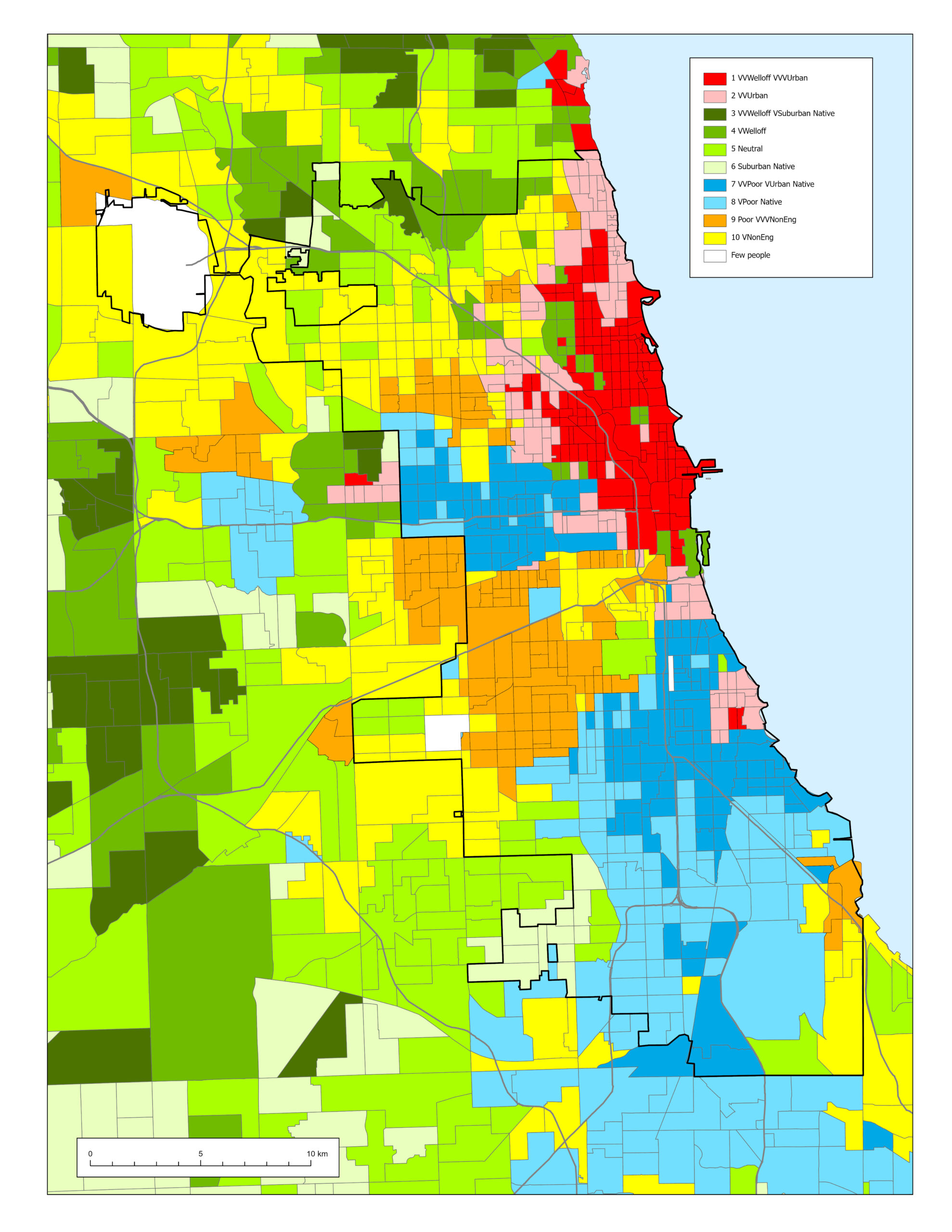
Naperville and Downers Grove sit on Metra’s BNSF line into Chicago Union Station; Oak Park and Evanston sit closer in on CTA rail plus Metra’s UP-W and UP-N lines. Together they span suburbs where single-family homes dominate the housing stock and suburbs where apartment buildings do, which caps how much single-family rental inventory can exist at all in the latter group.
The stock-mix and commute comparison
| Suburb | Single-family share of housing stock | Renter-occupied households | Rail commute to Union Station |
|---|---|---|---|
| Naperville | 75.0% (detached + attached) | 25.2% | Roughly 35 to 60 minutes depending on train, per Metra’s BNSF timetable |
| Downers Grove | 69.6% (detached + attached) | 24.8% | Fewer stops than Naperville on the same line; a relocation guide puts Naperville’s range at 35 to 60 minutes, with Downers Grove typically shorter |
| Oak Park | 43.6% (single-unit structures) | 39.3% | CTA Green/Blue Line plus Metra UP-W; no single confirmed minutes figure for this piece – open research item |
| Evanston | 36.9% (detached + attached) | 44.2% | CTA Purple Line plus Metra UP-N; all-mode average commute is 28.5 minutes per CMAP, not rail-specific |
Source: Chicago Metropolitan Agency for Planning Community Data Snapshots and the CMAP/Institute for Housing Studies Local Housing Profile for Oak Park, drawn from 2020–2024 American Community Survey estimates.
The gap between Naperville’s 75% single-family share and Evanston’s 37% is the real story: in Evanston, most housing units sit in buildings of five or more apartments, so a house search there starts from a far smaller pool before price enters the picture at all.
Which Chicago suburb actually has the most houses available to rent, not just apartments?By stock composition, Naperville and Downers Grove, where seven or more of every ten housing units are single-family. Oak Park and Evanston are majority multi-family, so single-family rental listings turn over less often there.
Naperville
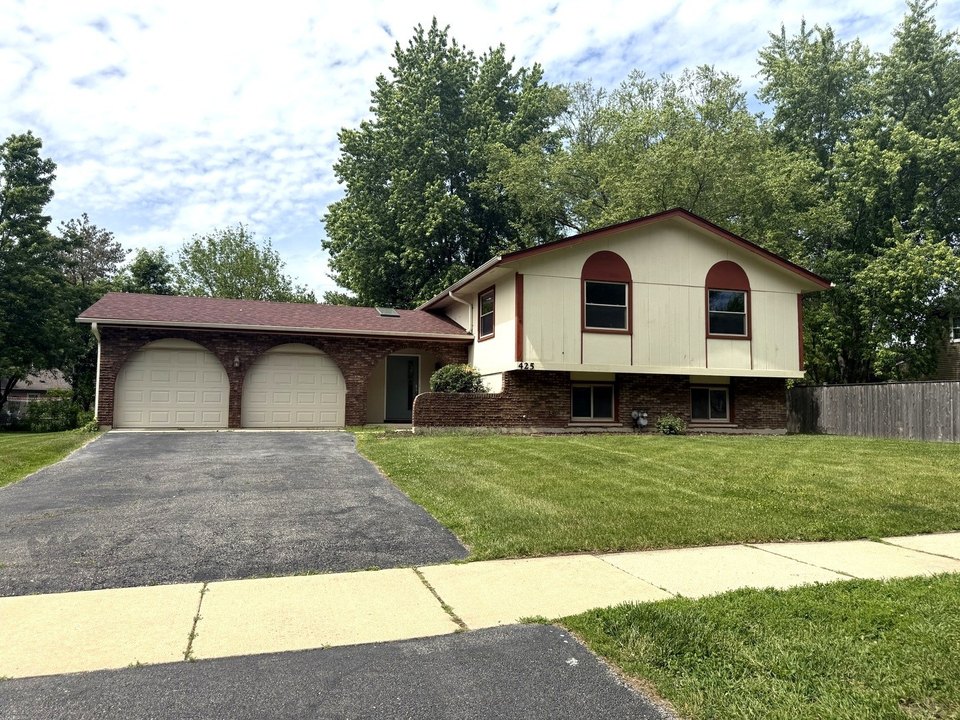
Naperville’s single-family share (75.0%) is the highest of the four, and its median household income of $155,105 (CMAP, 2020–2024 ACS) supports a rental market where three- and four-bedroom houses are standard rather than exceptional. Rent runs $1,100 to $7,940 with a median of $2,400, per Zillow’s rental-manager data, a spread wide enough that the number alone tells you less than the neighborhood does. Metra’s own BNSF timetable shows dozens of daily inbound trains from the Naperville station; the naperville.com relocation guide states the trip runs 35 to 60 minutes depending on express versus local service, while driving I-88 takes about 45 minutes off-peak but 60 to 90 minutes at rush hour. DuPage County’s effective property-tax rate sits in the 2.0 to 2.5 percent range, with a median annual bill near $7,812, per SmartAsset’s county tax data – a real carrying-cost gap from Cook County worth weighing if renting is a bridge to buying here.
Downers Grove
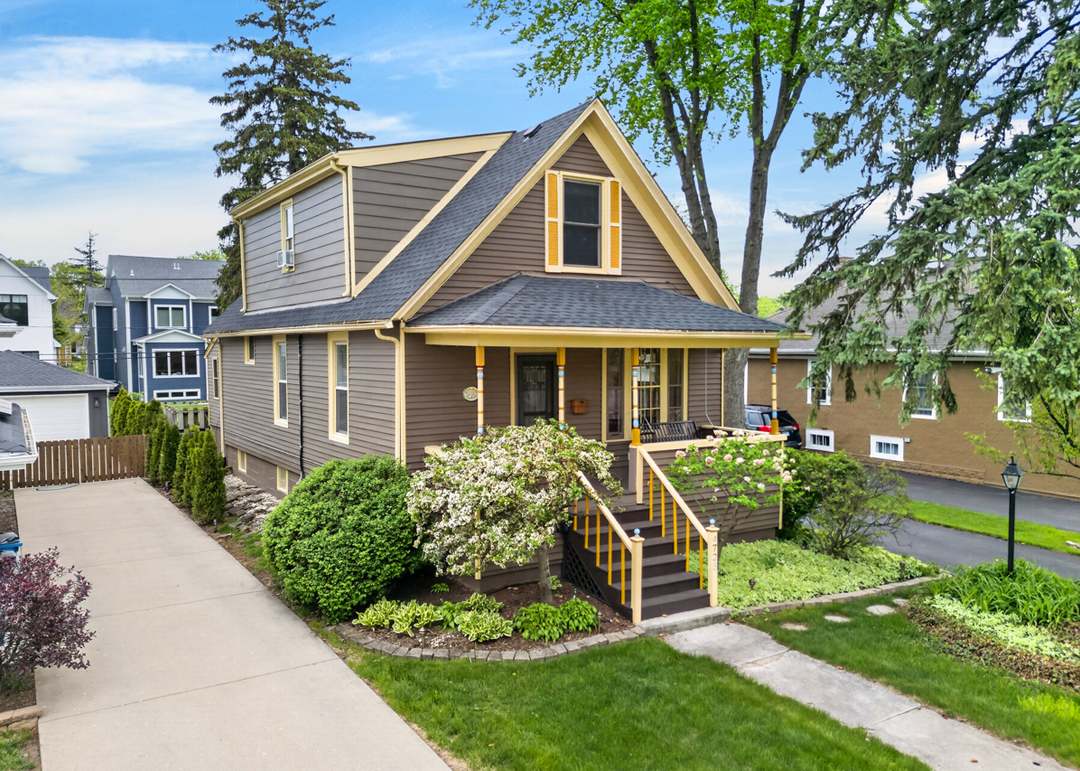
Downers Grove’s single-family share (69.6%) trails Naperville’s closely, its renter-occupied share (24.8%) is nearly identical, and it sits several stops closer to Chicago on the same BNSF line, which typically shortens the ride. House-specific rent data wasn’t available for this piece; the closest verified figure is apartment rent of $1,500 to $1,820 in 2026, per Rent.com – a gap worth knowing before assuming Downers Grove is simply cheaper Naperville.
Oak Park
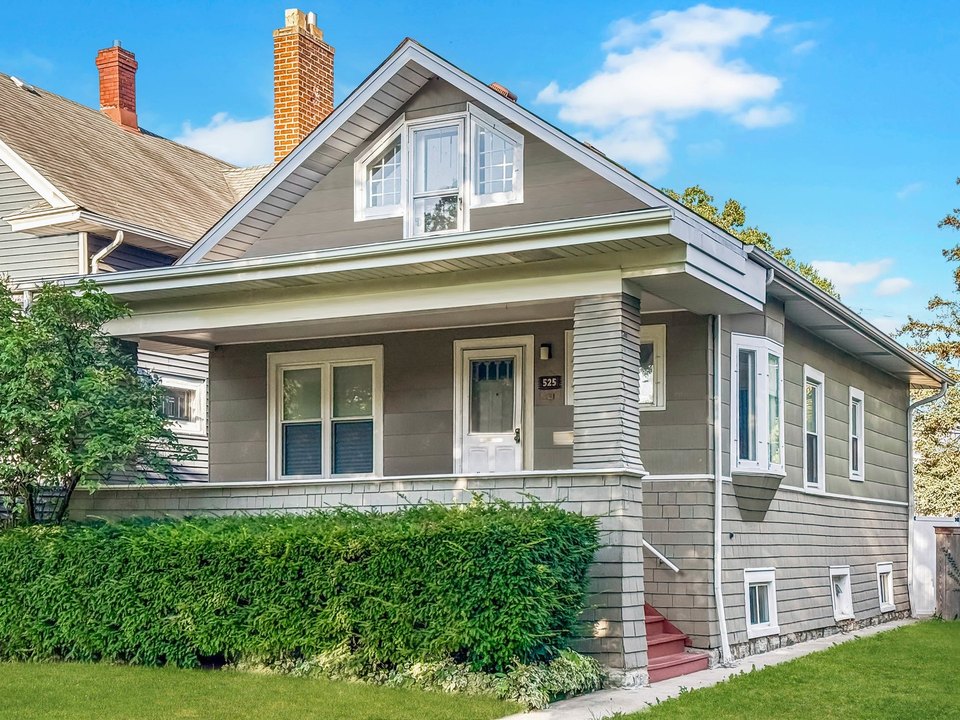
Oak Park’s housing stock is 43.6% single-unit structures, per CMAP’s Local Housing Profile, with the remainder split across small and large multi-family buildings, a materially different starting point than either DuPage suburb. Median gross rent across all rental units, not house-specific, is $1,456. Oak Park’s Village Code requires periodic inspection tied to rental licensing for multi-family buildings under Chapter 12, §12-2-6; whether that licensing track extends to a detached single-family rental the way it does to a multi-unit building wasn’t confirmed here and is worth confirming with the landlord directly.
Evanston
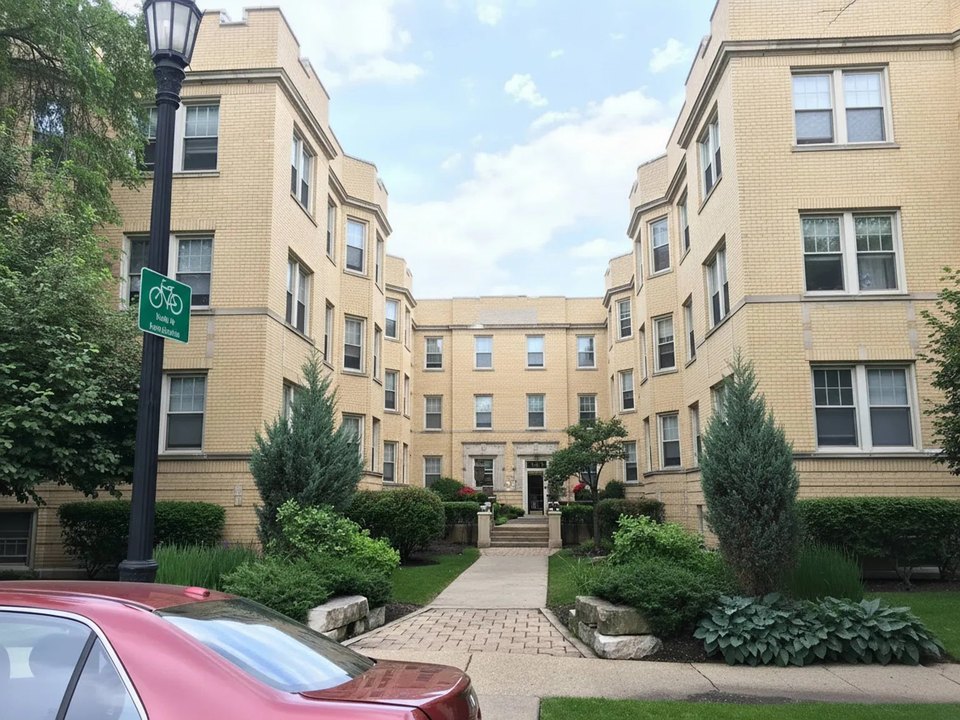
Evanston’s stock runs the other direction again: just 36.9% single-family, the lowest of the four, against a 44.2% renter-occupied share, the highest of the four. That combination means fewer standalone houses sit on the market at any given time relative to apartment turnover. Mean commute time across all travel modes is 28.5 minutes, per CMAP, though that figure blends driving, transit, and walking rather than isolating rail.
Is it cheaper to rent a house or an apartment in these suburbs?The data here supports a clean answer only for Naperville, where houses list from $1,100 with a median of $2,400, above typical local apartment averages. House-specific figures weren’t found for the other three suburbs; treat any single “average rent” quoted elsewhere for Oak Park or Evanston as apartment-weighted unless the source states otherwise.
Renting vs. buying in these four suburbs
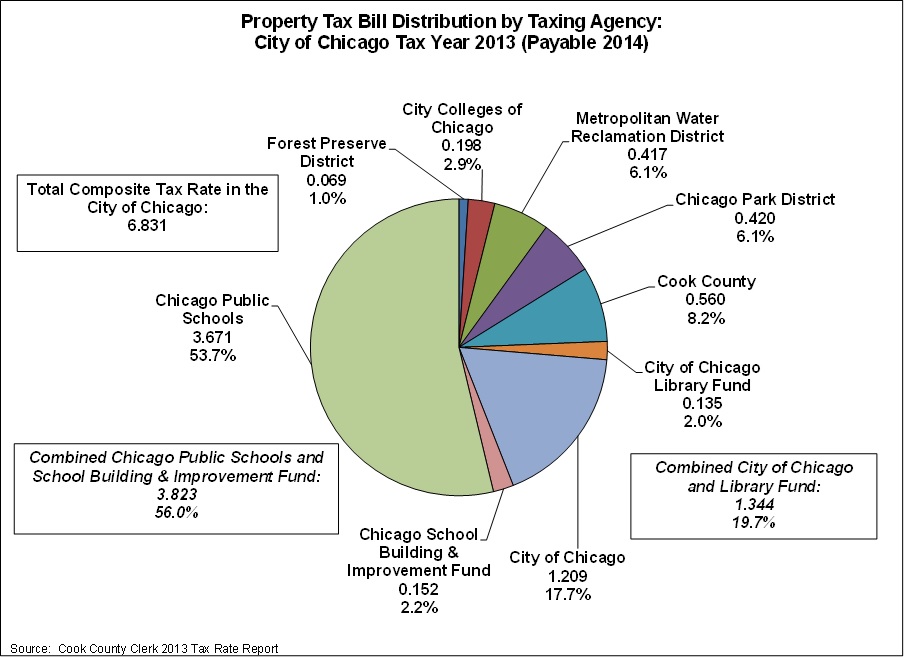
| Suburb | County effective property-tax rate | Median annual property-tax bill |
|---|---|---|
| Naperville | 2.0–2.5% (DuPage) | ~$7,812 |
| Downers Grove | 2.0–2.5% (DuPage) | ~$7,812 |
| Oak Park | Cook County median | ~$6,349 |
| Evanston | Cook County median | ~$6,349 |
Source: SmartAsset Illinois Property Tax Calculator, drawing on county-level effective-rate data.
DuPage’s property-tax burden runs meaningfully above Cook’s median, a cost that shows up in the sale price of anything you might later buy, not only in a landlord’s rent-setting math.
What to know before you sign
Single-family rental inventory in this region typically turns over most heavily in spring and early summer, when lease terms tied to the school year end; a house search in December or January in any of these four suburbs will show a thinner list than the same search in May, independent of demand.
Do any of these suburbs restrict short lease terms or require landlord licensing?Oak Park’s Village Code ties rental licensing to periodic inspection for multi-family buildings (Chapter 12, §12-2-6); confirm directly with a landlord whether a specific single-family listing falls under that track, since the ordinance text doesn’t spell out single-family treatment explicitly.
Common mistakes renters make choosing a Chicago suburb

- Assuming a Metra line name implies a fast commute. The same BNSF line runs both 35-minute express trains and roughly hour-long locals from Naperville; the line name alone tells you nothing about which one you’ll catch.
- Comparing an apartment-blended average rent to a house-specific one. Oak Park’s $1,456 median gross rent covers all rental units, not houses specifically, which can make the suburb look cheaper or pricier than it actually is for a single-family search.
- Ignoring the property-tax gap when weighing rent against a future purchase. DuPage’s roughly $7,812 median bill against Cook’s roughly $6,349 is a genuine, ongoing cost difference, not a rounding error.
How much does commute time really vary between these suburbs?Naperville’s confirmed range (35 to 60 minutes by rail) is the widest of the four because it mixes express and local service; the master table above is the fastest way to compare all four at once, and worth rechecking against Metra’s live schedule before signing a lease tied to a specific train.
Comments