
Where Carroll Avenue Is, and What Its Designations Actually Cover
Carroll Avenue’s historic 1300 block sits in Angelino Heights, a hillside neighborhood just northwest of Downtown Los Angeles, a few minutes’ walk from Echo Park Lake. It’s inside the City of Los Angeles, not a separate municipality, which matters for anyone assuming a historic enclave like this might sit under county or independent city rules.
Two designations apply, and they do different jobs. The National Register listing is largely honorific: it makes the street eligible for certain federal tax credits on income-producing property and signals significance, but it doesn’t by itself control what an owner can build or paint. The HPOZ designation is the one with teeth. Once a house is inside an HPOZ and marked “Contributing” on the district’s Historic Resources Survey, most exterior changes, including some that wouldn’t need a building permit anywhere else, require Planning Department sign-off before work starts.
The street’s fame predates both designations. A rate war between the Santa Fe and Southern Pacific railroads, documented in the Los Angeles Express of February 1888, dropped a one-way fare from Kansas City to as low as one dollar by March 1887, and Los Angeles’s population went from roughly 11,000 in 1880 to over 50,000 by 1890. Carroll Avenue’s builders were part of that boom, and the 1888 banking recession that followed is why construction on the block clusters so tightly in 1887 and 1888: money for new building simply stopped.
Is Carroll Avenue part of the City of Los Angeles, or a separate jurisdiction?It’s within the City of Los Angeles, in the Angelino Heights neighborhood near Echo Park. Permits, HPOZ review, and property tax administration all run through city and county offices, not a separate local government.
The Architecture, Block by Block
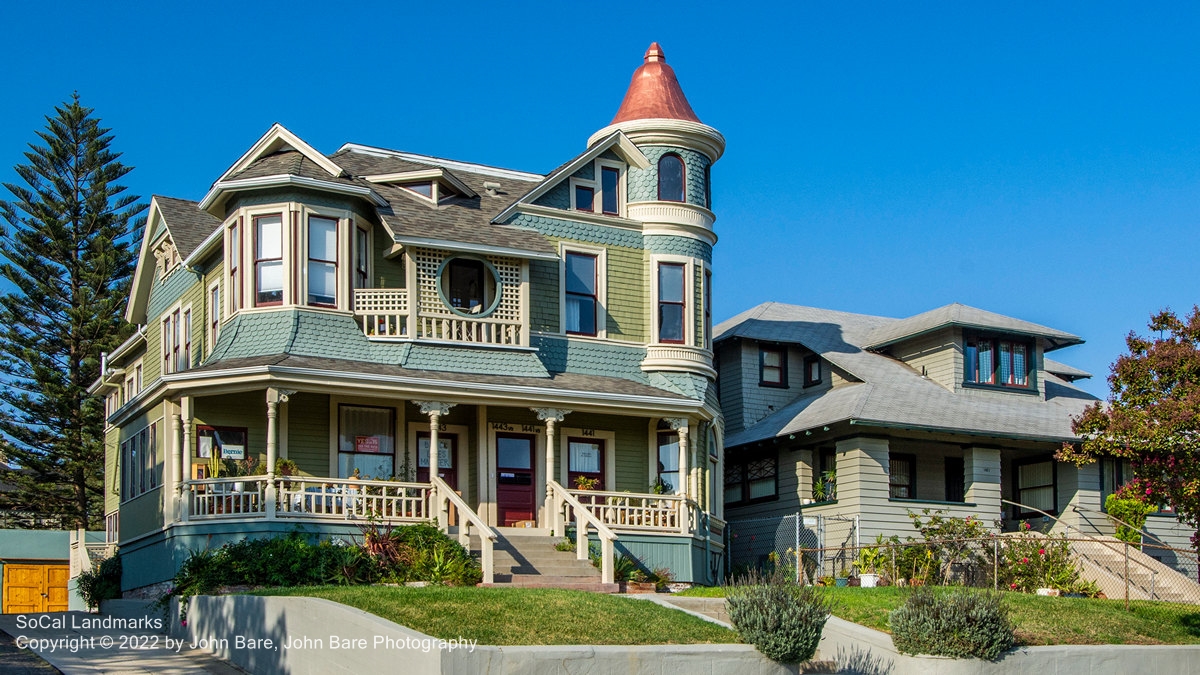
Most of the 1300 block’s houses are Queen Anne or Eastlake Victorians built in that 1887 to 1888 window, with two notable exceptions: the Italianate Foy House, and a 1907 Craftsman that reads as a deliberate architectural contrast to the street’s Victorian core.
The Foy House shows how little “original” means on this street. Built in 1872 at 7th and Figueroa downtown, it was moved to Witmer Street in 1920 as the business district expanded onto its original lot, then sat there until Good Samaritan Hospital and a private buyer arranged a second move, in December 1992, to its current address at 1337 Carroll Avenue. It’s now the oldest house on the block by fifteen years, and it arrived after every one of its neighbors.
| Address | House name | Year built | Style | Notable tie |
|---|---|---|---|---|
| 1300 Carroll Ave | Phillips House | 1887 | Queen Anne | HCM No. 51 (1967), built for merchant Aaron P. Phillips |
| 1316 Carroll Ave | Russell House | 1887/88 | Queen Anne | HCM No. 76 (1971), built by real estate agent Horace M. Russell |
| 1325 Carroll Ave | Heim House | 1887/88 | Queen Anne | HCM No. 77 (1971), built for brewer F. A. Heim |
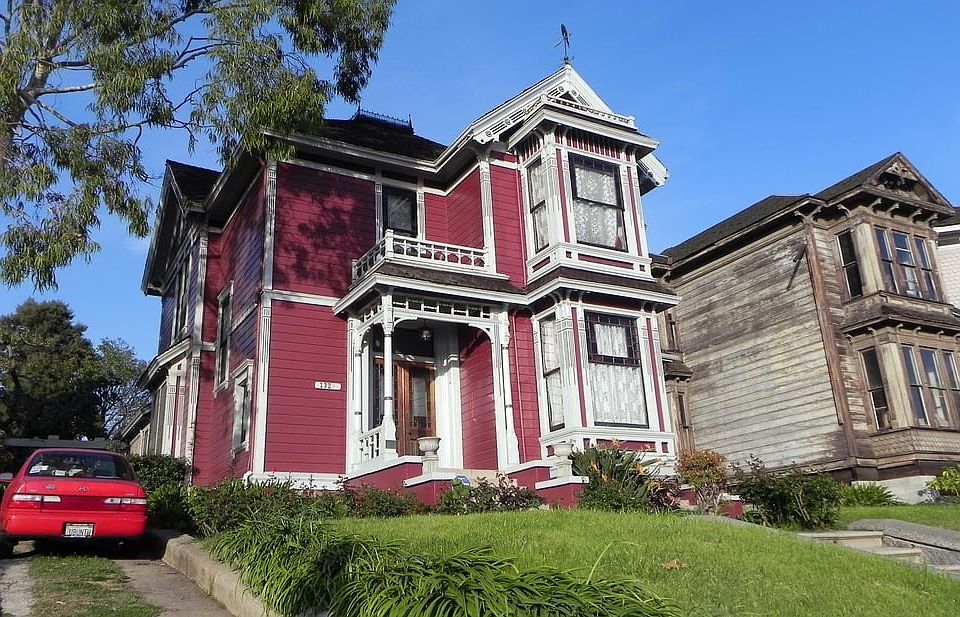
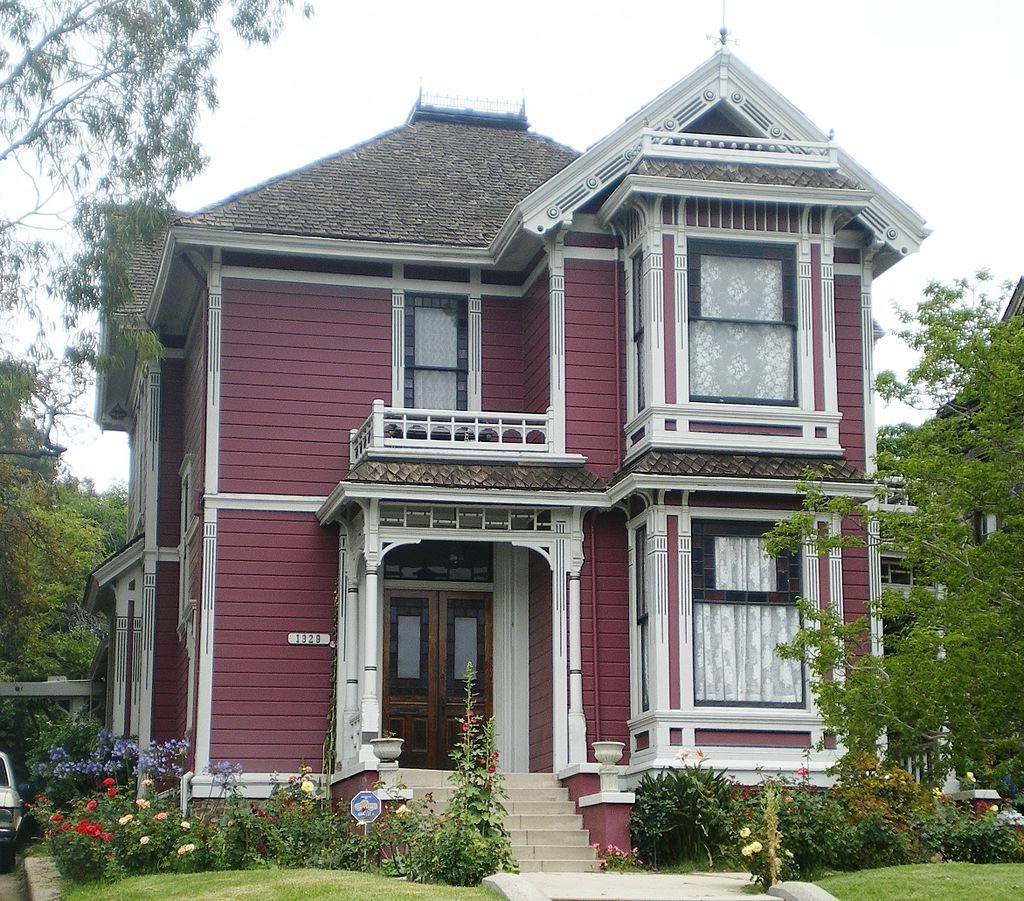
| 1329 Carroll Ave | Innes House | 1887 | Queen Anne | Used as the exterior in Charmed |
| 1337 Carroll Ave | Foy House | 1872 (relocated 1992) | Italianate | Moved twice; oldest house on the block despite arriving last |
| 1345 Carroll Ave | Sanders House | 1887 | Victorian/Stick | Exterior in Michael Jackson’s Thriller |
Sourced from the 1976 NRHP nomination form and the LA Conservancy’s Foy House page, this table gives a buyer a reference point for what “Contributing” looks like on this street before the regulatory layer below, where a real estate decision on Carroll Avenue actually gets made.
Owning a Home Here: The Certificate of Appropriateness Process
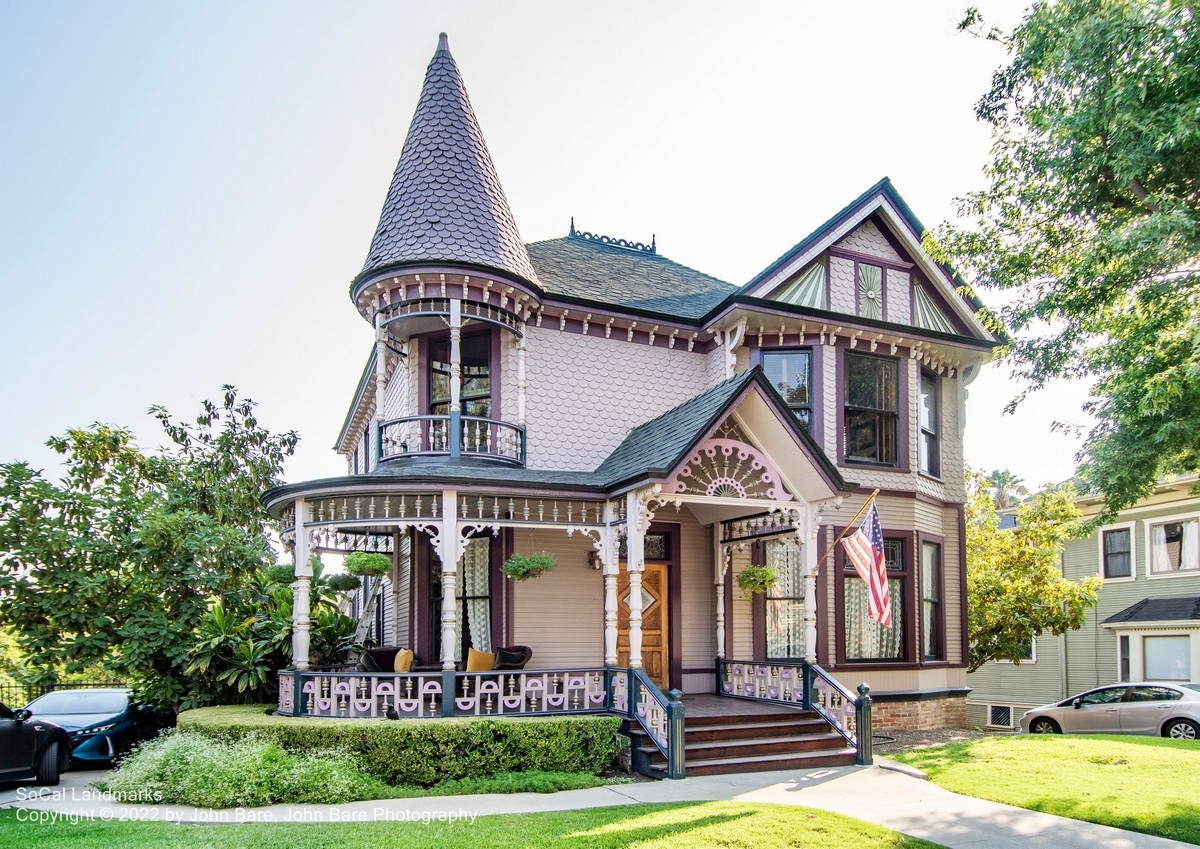
This is the part every existing guide to Carroll Avenue skips. If a house is a Contributing structure in the Angelino Heights HPOZ, most exterior work, including some landscaping, paint color, and hardscape changes that wouldn’t need a permit elsewhere in the city, requires sign-off from LA City Planning before it starts. Work done without it can draw Department of Building and Safety code enforcement action.
What requires board review, what doesn’t
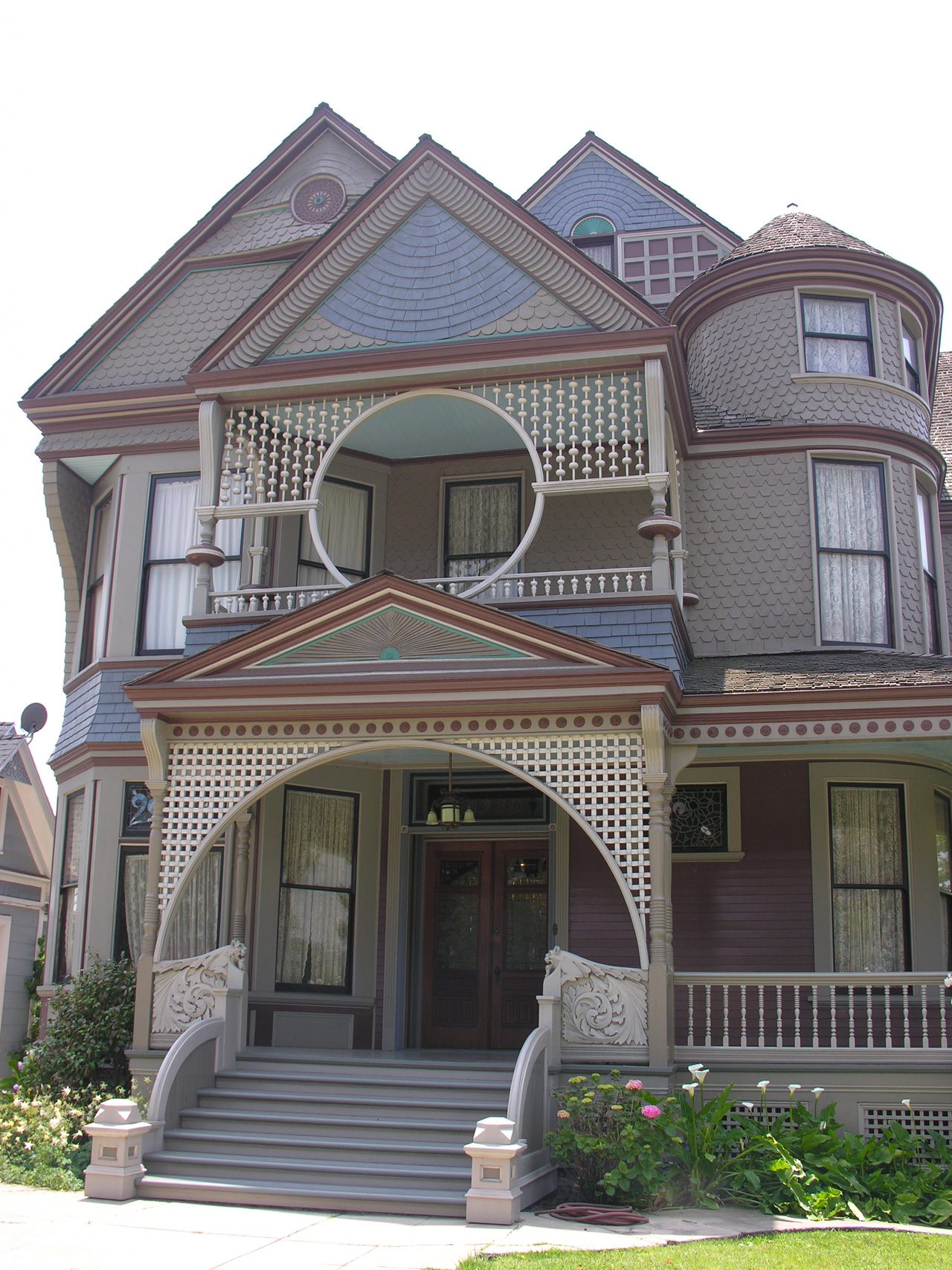
Projects are routed down one of two paths. Routine, low-impact work that clearly matches the Angelino Heights Preservation Plan, replacing a deteriorated window with one matching the original profile, or repairing a porch with matching materials, typically qualifies for staff-level Conforming Work review, with no application fee for the minor category. Larger or more visible changes, an added second story, a new roof material, demolition of an outbuilding, go to the five-member HPOZ Board for a Certificate of Appropriateness, with public notice sent to abutting property owners at least 10 days before the hearing and a 15-day appeal window after a decision.
| Type of work | Review required? | Typical path |
|---|---|---|
| Like-for-like repair, matching materials | Yes, but often exempt from board review | Staff-level, no fee for minor cases |
| Exterior paint color change | Yes | Staff-level Conforming Work |
| Window replacement matching original profile | Yes | Staff-level Conforming Work |
| Second-story addition | Yes | HPOZ Board, Certificate of Appropriateness |
| New construction or demolition | Yes | HPOZ Board, Certificate of Compatibility |
| Interior remodel, no exterior change | No | None |
A property’s status, Contributing, Contributing Altered, or Non-Contributing, is checked through the city’s ZIMAS mapping tool before any of this applies, and it changes the answer for the same proposed project on two houses standing next to each other.
Can you change the exterior of a house on Carroll Avenue?Only with Planning Department approval if the house is a Contributing structure. Minor, like-for-like work is often handled at staff level with no fee; larger or more visible changes go to a public HPOZ Board hearing, which can add weeks to a project timeline.
The Mills Act: Real Tax Relief, Currently Paused
Owners of a Contributing property in Angelino Heights have historically been eligible for a Mills Act contract with the city, a 10-year, automatically renewing agreement in which the county assessor values the property using an income-based method instead of standard market comparables, typically cutting the property tax bill by 40 to 60 percent. As of 2022, Los Angeles had 948 active Mills Act contracts citywide, saving owners a combined $20 million a year.
There’s a real limitation here that no competitor page mentions: the city has not accepted new Mills Act applications since a 2020 program assessment found funding insufficient to manage the existing contract load, and while a 2025 draft policy update proposed reviving the program, budget constraints have put most of those changes on hold. A buyer weighing Carroll Avenue against the promise of a Mills Act contract should confirm current intake status with the Office of Historic Resources before assuming one is available.
Does a Mills Act contract transfer to a new owner when the house is sold?Yes. The contract is recorded and binds successors in interest, so an existing contract’s tax treatment passes to the buyer. A Carroll Avenue house that already carries a Mills Act contract is financially different from an identical house that doesn’t.
What It Costs: Recent Sales on Carroll Avenue
Closed sales are rare enough on this block that most existing guides cite none at all.
| Address | Sale date | Price | Sq ft | Source |
|---|---|---|---|---|
| 1441 Carroll Ave | May 18, 2018 | $1,426,000 | 4,071 | Redfin public record |
| 1407 Carroll Ave | March 4, 2019 | $1,690,000 | 4,092 | Redfin public record |
| 1354 Carroll Ave | May 8, 2026 | $1,244,000 | 4,369 | Redfin public record |
| 1340 Carroll Ave | Active listing, 2026 | $2,560,000 asked | 3,168 | Redfin current listing |
The 1354 sale is the most useful data point here: it closed at a lower price than the 2019 sale despite more square footage, a reminder that condition and unit configuration on this block move price more than raw size does. The 1340 figure is an asking price on the 1907 Craftsman outlier, not a closed Victorian sale.
Insuring and Financing a Nineteenth-Century House
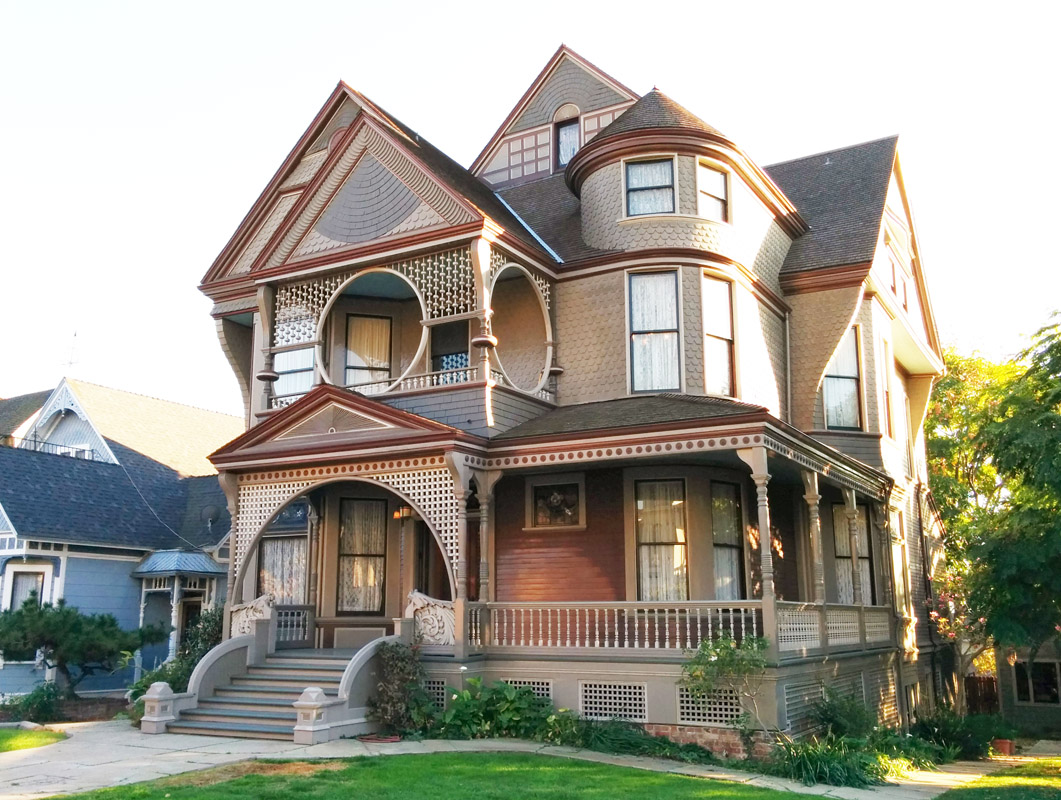
The regulatory layer isn’t the only friction point. Houses this old routinely still carry knob-and-tube wiring, and federal loan guidelines don’t categorically block it: FHA will accept knob-and-tube in good condition with at least 60-amp service, and Fannie Mae and Freddie Mac guidelines focus on whether the system functions safely rather than banning it outright. The practical obstacle sits with insurers. Most homeowners’ insurers will decline to write a standard policy on a house with active knob-and-tube wiring, or will require its replacement within a set window after closing, and since a lender won’t fund a purchase without insurance in place, an uninsurable electrical system becomes a financing problem even when the loan program itself would allow it.
Get this checked before writing an offer: a licensed electrician’s assessment of the wiring, plumbing, and foundation, alongside a call to a prospective insurer about their specific underwriting rules for pre-1900s construction.
Living on a Filming Location
Several houses on the block have appeared in Thriller, Charmed, and Mad Men, and the street draws a steady flow of photographers and tour groups. These are private residences, and living behind one means accepting foot traffic and the occasional stranger photographing the porch.
Are the houses on Carroll Avenue open to the public?No. Every house on the street is a private residence. Visitors can view the exteriors from the public sidewalk, but none of the homes are open for tours.
Selling Here: What Changes at Resale
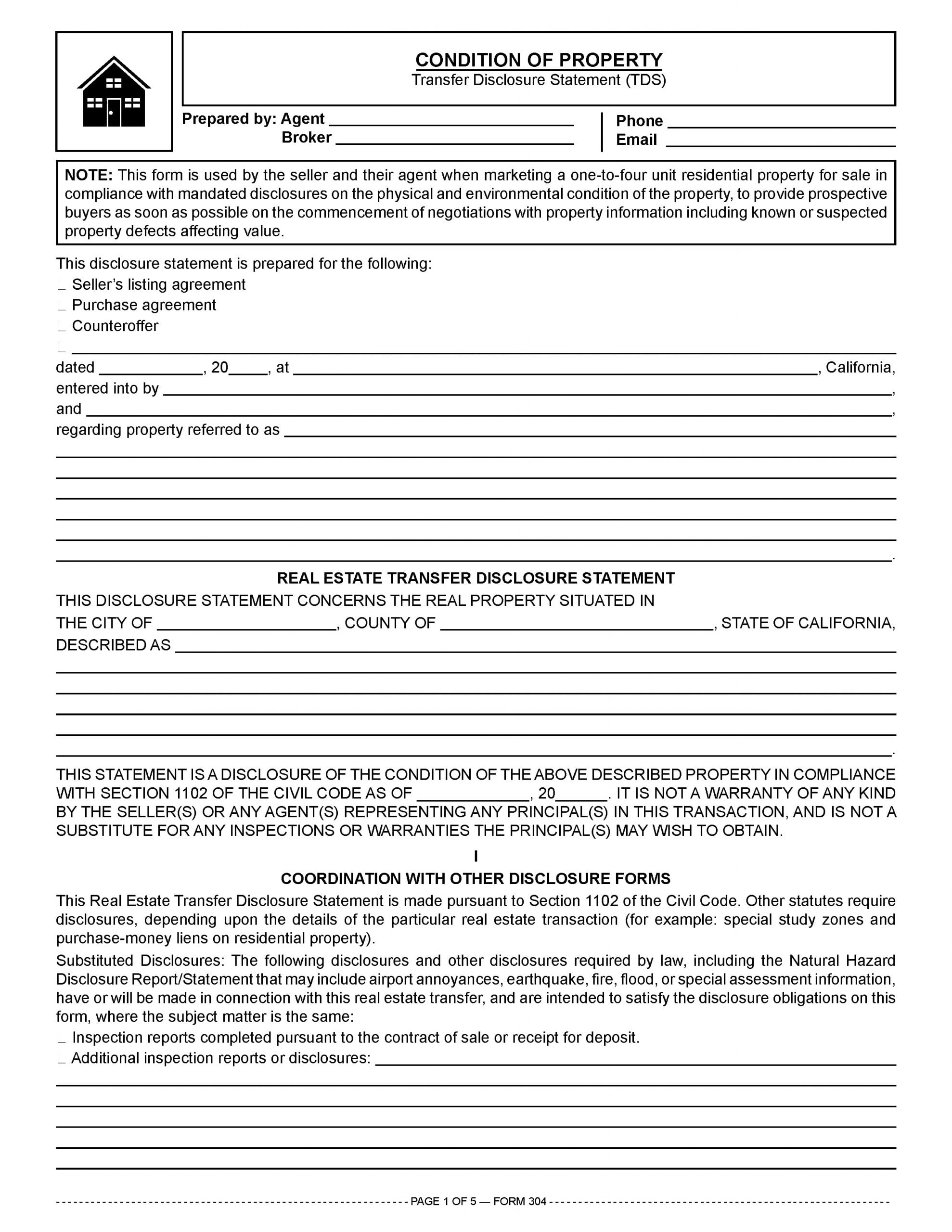
A seller on Carroll Avenue is disclosing more than a typical Los Angeles home sale requires. Beyond the standard Transfer Disclosure Statement and Natural Hazard Disclosure Statement, buyers and their agents should pull the preliminary title report specifically to check for a recorded Mills Act contract, since its terms and tax treatment carry forward to the new owner automatically. HPOZ Contributing status itself is a matter of public record through ZIMAS rather than a separate disclosure form, but any pending or open Certificate of Appropriateness case on the property is worth surfacing before escrow closes, since unresolved HPOZ compliance issues can slow a sale in a way a standard listing never would.
Beyond the Postcard Block: The Wider Submarket
Carroll Avenue itself rarely transacts: four closed sales across eight years is a thin sample for any market analysis. Buyers priced out of, or simply unable to find, an open listing on the 1300 block itself often look at the surrounding Angelino Heights streets, Edgeware Road, Kensington, and the Echo Park Avenue edge, which carry some of the same HPOZ review requirements without the tourist foot traffic or the scarcity premium.
Who Carroll Avenue Actually Suits
Carroll Avenue rewards someone who wants the regulatory structure of an HPOZ as much as the architecture, since living here means every exterior decision runs through a review process most homeowners never encounter. It suits a buyer prepared for a thin resale market, real financing friction on century-old systems, and a public sidewalk full of strangers with cameras. It’s a poor fit for anyone who wants to renovate quickly, or who hasn’t confirmed a property’s Mills Act and Contributing status before making an offer.
Comments