
What “buying a lot” actually means
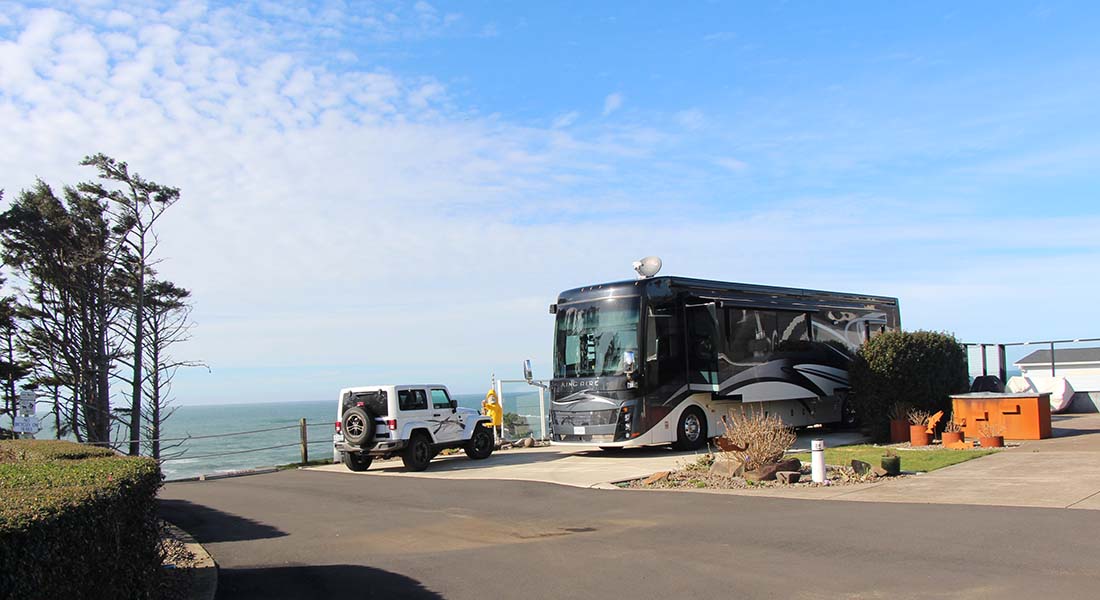
Four structures get sold under the same “campground lot for sale” heading, and they carry different rights.
A deeded lot is real property: your name goes on a warranty deed recorded with the county, and you own the land the same way you’d own a house lot. A leased site gives you long-term occupancy rights to a specific spot without owning the underlying land. Owning a mobile home in a park means you own the structure while renting the ground beneath it. A co-op membership, the model used by the 11 Escapees SKP Co-Ops, means buying a one-time “lifetime lease” on a specific lot from a member-owned nonprofit; buy-ins currently run $8,000 to about $30,000 depending on the park, and one Arizona co-op lists its base membership at $20,099.75 plus the value of any improvements the previous leaseholder made.
| Structure | What you own | Typical cost | Resale rights | Typical restrictions |
|---|---|---|---|---|
| Deeded lot | The land itself, via recorded deed | $25,000 to $1,000,000+ | Sell to anyone, subject to HOA approval | HOA covenants on structures, RV age/type, landscaping |
| Leased site | Occupancy rights only | Usually a fraction of deeded pricing | Rights typically don’t transfer independently of the lease | Set by the lease and the park owner |
| Mobile-home-in-park | The structure; land is rented | Structure cost plus lot rent | Sell the structure; buyer must still qualify with park | Park approval of buyer, age/condition limits |
| Co-op membership (e.g. Escapees SKP) | A lifetime lease, not the land | $8,000 to $30,000 buy-in | Often can’t be willed or sold privately; reverts to the co-op | Age minimums, live-in-your-RV requirement, volunteer hours |
The co-op row is the one buyers miss most often: it prices like ownership and functions more like a long-term club membership than a real-estate asset, which matters if you’re weighing this as an investment rather than a place to park.
Can you buy a lot at any RV park or campground?No. Most campgrounds only rent sites; deeded, leased, or co-op lots exist at a specific subset of resort-style parks built or converted for lot sales, and availability is often limited to what a current owner is reselling.
Whichever structure you’re weighing, the practical question is usually not which type exists, but which one you can actually get into: co-ops routinely carry multi-year waiting lists before a buy-in slot opens up.
Is a co-op membership like Escapees better than buying a deeded lot outright?It depends on what you’re optimizing for. A co-op buy-in is cheaper, and the co-op pays the property taxes and handles maintenance, but you can’t sell, will, or finance the membership the way you would a deeded lot.
Is it cheaper than renting?
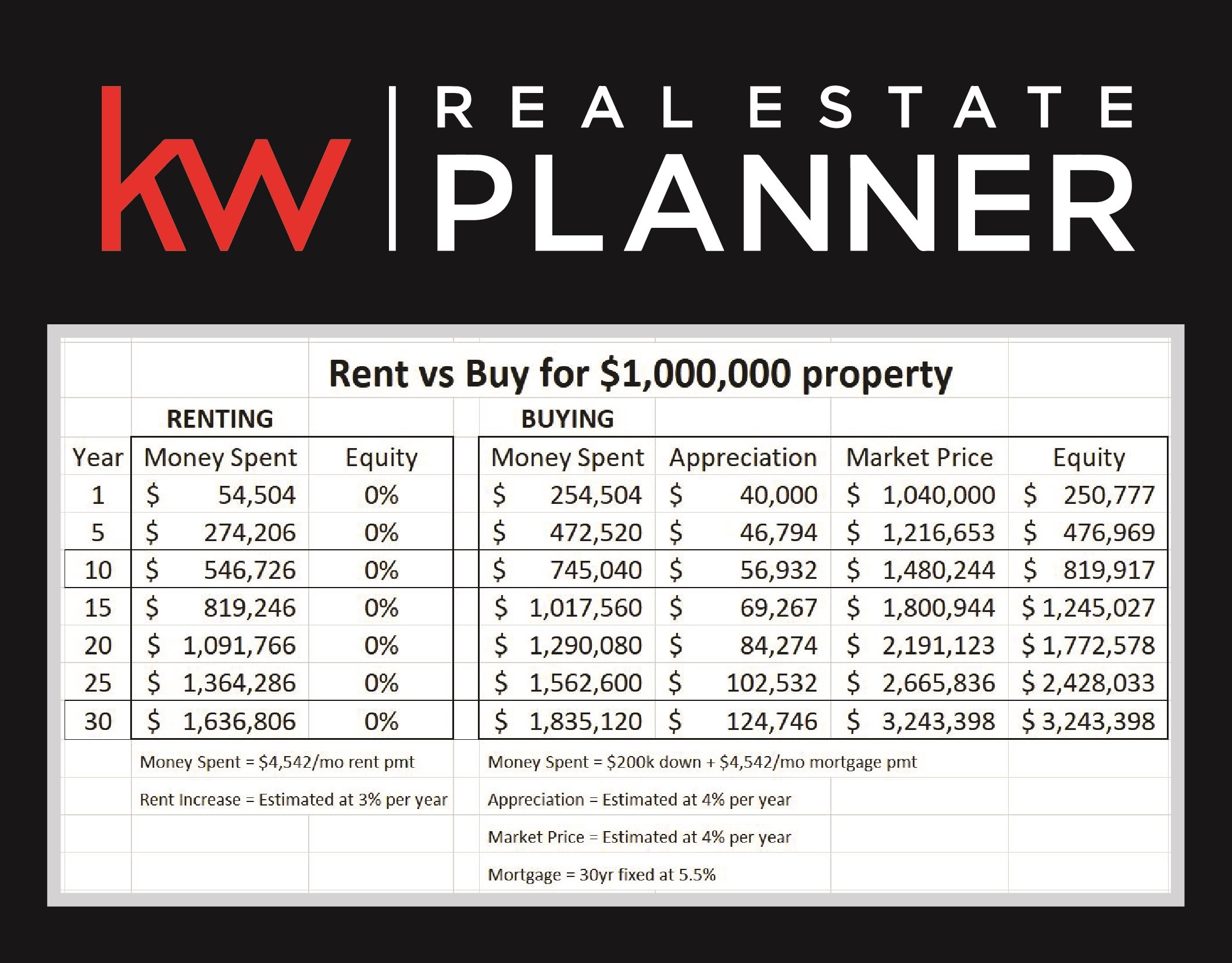
Run the math on your own numbers before you run it on a listing. Take your annual in-park camping spend at a comparable rented site, multiply by the years you expect to keep using that region, and compare the total to the lot price plus HOA dues over the same period, minus any rental income you’d realistically collect. As an illustrative example, not a named listing: a lot priced at $150,000 with $2,400 a year in HOA dues costs $186,000 over 15 years before financing costs; renting an equivalent site for 4 months a year at $2,500 a month costs $150,000 over the same 15 years. The buyer only comes out ahead if the lot appreciates, if they use it more than 4 months a year, or if rental income closes the gap – and only usage pattern is fully within the buyer’s control.
Two variables move that math most: whether the HOA permits short-term rental of your lot when you’re not there, and how many months a year you’ll be on-site. A lot usable only 4 to 5 months a year in a hard-climate region needs a bigger rental subsidy or a lower purchase price to beat renting than one usable 8 to 10 months a year.
What it really costs to own
The purchase price is the smallest recurring number on this list. What follows is what buyers consistently underbudget.
| Cost category | Typical range | Who sets it | Inspectable before purchase |
|---|---|---|---|
| HOA/POA dues | $75 to $300/month; one Florida resort’s residents report roughly $750/quarter, another about $1,800/year | The HOA board, via annual budget | Yes – request the current budget and reserve study |
| Property tax (deeded lot) | Varies by county; assessed as real property once deeded | County property appraiser | Yes – public record |
| Rental-management fee | 10% to 25% of rental revenue | The management company or HOA-run program | Yes – ask for the management agreement |
| Utilities not bundled into HOA | Water/sewer, cable, and fiber internet sometimes included, sometimes billed separately | Utility provider or HOA, varies by resort | Yes – ask what the HOA fee actually covers |
One named data point sets the floor: Nature Coast Landings RV Resort set its 2026 fiscal-year monthly assessment at $295, covering only basic mowing – flower beds, edging, and gravel-area upkeep are billed to the lot owner separately. That’s a useful check against any listing advertising a flat, all-inclusive HOA fee without specifying what it covers. At a 20% rental-management fee on $18,000 a year in rental income, $3,600 is gone before HOA dues, taxes, or a mortgage payment.
What determines resale value
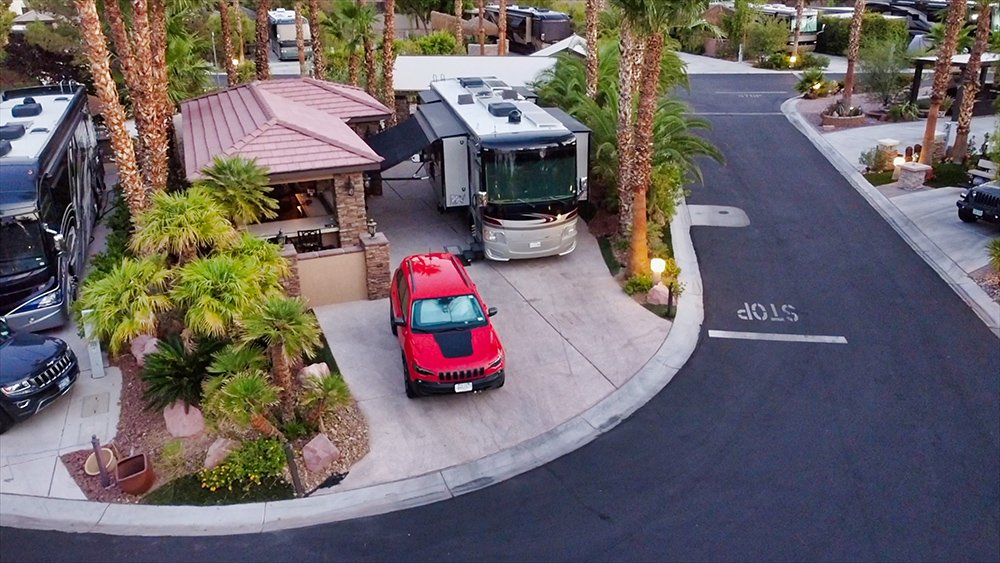
Location inside the resort moves price more than the resort’s overall reputation. Waterfront position, corner placement, and existing drainage or irrigation infrastructure all show up directly in the asking price relative to an interior, undeveloped pad in the same HOA.
| Factor | Why it matters | Effect on price/liquidity |
|---|---|---|
| Waterfront or lake-view position | Scarcity within the resort; can’t be replicated on another lot | Highest premium, fastest resale |
| RV-type or age restrictions | Narrows the pool of qualified buyers at resale | Lowers liquidity even if price holds |
| Developed vs. bare pad | Buyer avoids build-out cost and delay | Developed lots resell faster; bare lots need a lower price to move as fast |
| Pet-segregated or pet-free section | Matters to a meaningful share of the buyer pool either way | Narrows, not necessarily lowers, the resale pool |
| HOA rental permission | Determines whether a buyer can offset carrying costs | Rental-friendly lots resell at a premium over otherwise-identical restricted lots |
The gap between an undeveloped and a developed lot within one property can be striking: Cypress Trail RV Resort near Fort Myers advertised a bundled lot-and-RV package at $265,000 under an offer set to expire February 10, 2026, alongside bare lots priced well below that within the same HOA, on the basis of location and improvements alone.
Not every park is selling
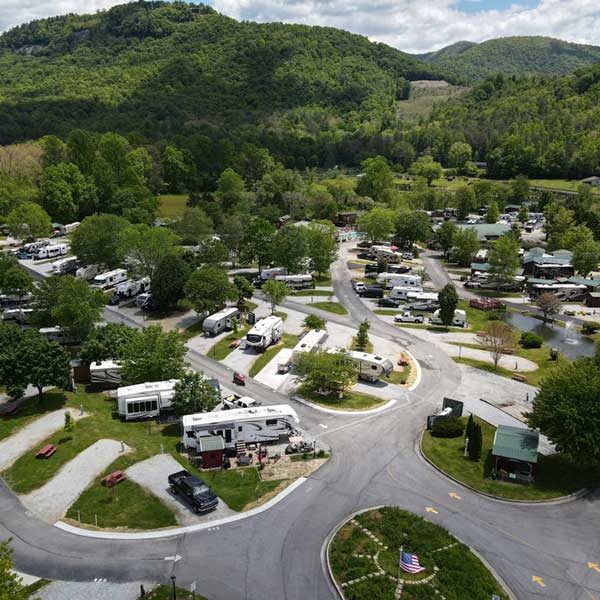
Most campgrounds in the US rent sites and have no lots to sell at all. The parks that do sell deeded, leased, or co-op lots are a specific subset built or converted for that purpose, and within them, availability depends on what a current owner chooses to list – there’s no broad, standing inventory the way there is with houses.
The appreciation claims nobody sources
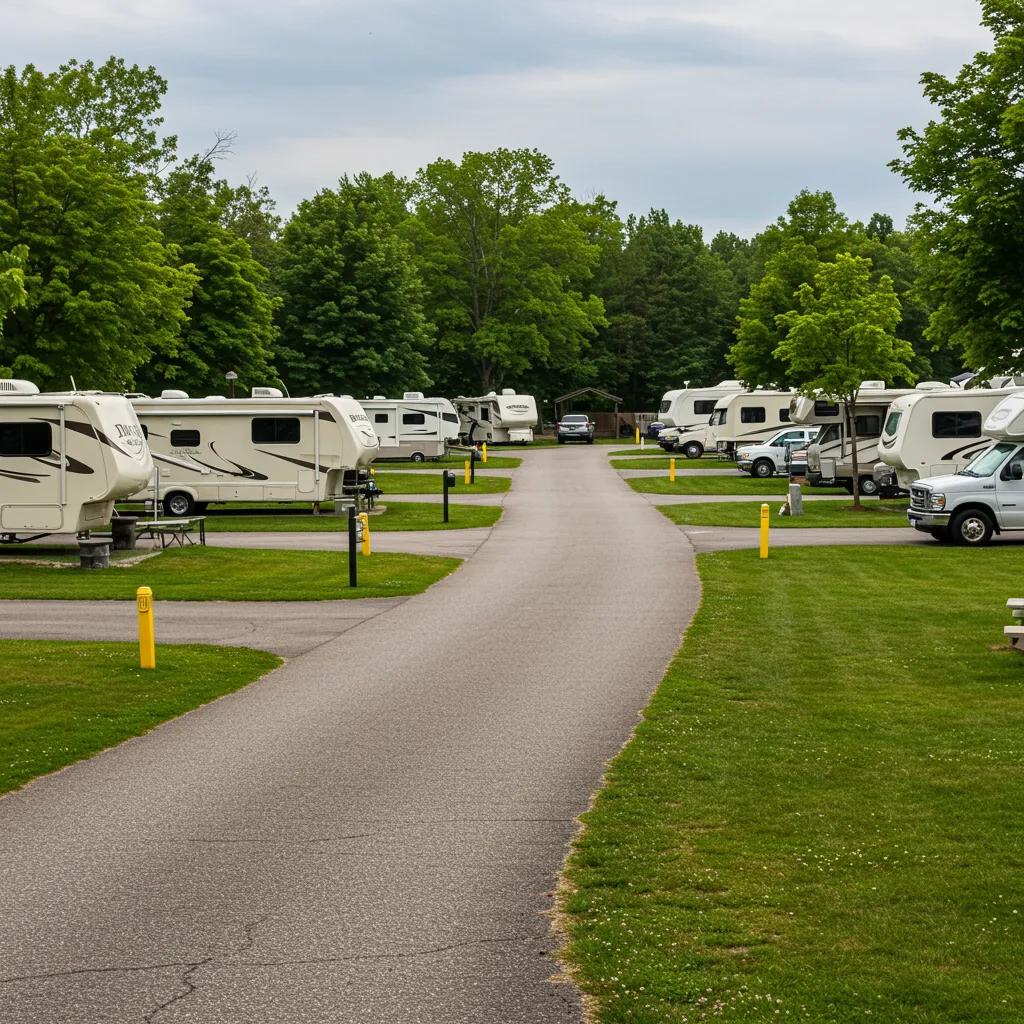
Guides on this topic routinely state that RV lots appreciate at a specific rate – figures like a 15% average annual return or 100%-plus appreciation over a few years circulate without a named methodology, timeframe, or dataset, and the two figures don’t reconcile with each other. Neither traces to a public index or a repeated-sales-price study; both appear extrapolated from individual owners’ experience at specific resorts during specific windows.
What the current regional listing data shows instead is a wide spread rather than a single trend line: Florida’s statewide average lot price rose roughly 3% over the trailing 12 months to $266,730, while Colorado’s MLS-tracked average sits at $281,327, pricing tied more to acreage ($28,506 per acre) than to resort amenities. That’s market movement in two specific regions during a specific period, not a durable annual rate applicable to any lot under consideration.
Do RV lots actually appreciate in value?Some do, substantially, in scarce, high-demand locations over a long holding period, but there’s no verified, sourced average appreciation rate for the asset class as a whole. Treat any specific percentage you’re quoted as one owner’s outcome, not a market benchmark.
How the purchase and financing actually work
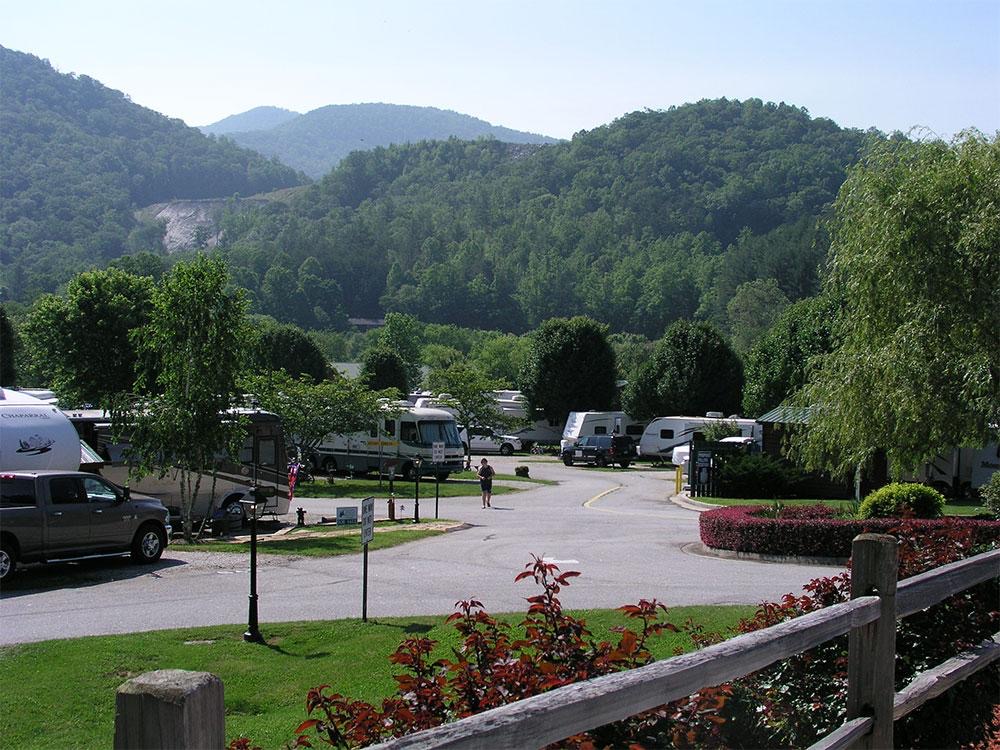
Financing a deeded RV lot is not like financing a house: most lenders won’t write a conventional mortgage against land with no fixed dwelling on it, and a concrete pad with utility hookups doesn’t qualify. What’s typically available is a recreational land loan, commonly requiring 15% to 30% down – one agricultural lender, GreenStone, confirms 15% to 20% down with 30-year amortization and no requirement to build within a set timeframe – or seller financing arranged directly with the resort. Smith Lake RV Resort in North Alabama is currently advertising individual deeded lots – Lot 13 at $174,900 and Lot 100 at $112,900 – with financing available subject to credit approval, ahead of the 2026 lake season.
Property tax treatment is where deeded ownership diverges most sharply from every other structure covered above. Once a lot is deeded, Florida’s Department of Revenue treats it as real property, taxed through the standard county ad valorem process. A structure placed on land you don’t own, by contrast, is assessed separately as tangible personal property, filed annually by April 1 with its own $25,000 exemption threshold. That distinction is the mechanic to understand before assuming a deeded lot and a friend’s leased site get taxed the same way.
Can you finance a deeded RV lot like a house?Rarely through a conventional mortgage – most banks require a fixed dwelling to qualify for standard mortgage terms, so buyers typically use recreational land loans (15% to 30% down is common) or seller financing instead.
Before closing, a title search confirms there are no liens against the specific lot, and buyers should separately request the HOA’s current financial statements and any pending litigation disclosure. An HOA carrying a lawsuit or a large deferred-maintenance shortfall can turn into a special assessment landing on the new owner within the first year.
What happens to your lot if the HOA runs into financial trouble?You remain on the hook for your share of dues and any special assessment the board levies to cover a shortfall, regardless of when the underlying problem developed – which is why reviewing HOA financials before closing matters.
Common mistakes and disqualifying red flags
- Assuming a co-op membership is the same asset as a deeded lot. It isn’t transferable the same way and often can’t be financed or willed – confirm which structure a listing actually describes before comparing its price to a deeded lot’s price.
- Treating a single-resort appreciation story as a market rate. One lot’s decades-long gain at one resort says nothing about what a different lot will do over a five-year hold.
- Assuming standard mortgage financing will be available. Confirm financing terms with a specific lender before making an offer contingent on financing that this asset class may not support.
Comments