

Decide your buyer path first
Most guides assume one buyer walking one straight line from pre-approval to keys. Arizona’s mix of heavy new-construction inventory and a large out-of-state and seasonal buyer base means the process forks early, and the fork matters more than most of the steps that follow.
Resale vs. new construction. A builder’s purchase contract is a pre-written form, and builders rarely negotiate it line by line the way a resale seller might. Builder-affiliated lenders often tie incentives, a rate buy-down or a closing-cost credit, to using their financing. A brand-new HOA has no history: no reserve study, no meeting minutes, no track record of dues or CC&R enforcement to review, unlike a resale HOA a buyer can actually investigate.
Local vs. out-of-state or seasonal. Arizona draws a disproportionate share of remote and part-year buyers. If you won’t live in the home year-round, insurers may classify it as a secondary or seasonal residence, which changes the premium. Scheduling an inspection from out of state adds lead time, and several Arizona counties now support e-notary and remote online closing, worth confirming with your title company before you assume you’ll fly in for signing.
Is it different to buy new construction versus a resale home in Arizona? Yes, and the timeline differs too: builder financing incentives usually require “Assumption Approval” or lender sign-off before your loan estimate locks, so ask the sales office for that approval timeline on day one, not after you’ve picked upgrades.
Get your finances and credit ready

A mortgage payment is principal, interest, taxes, and insurance together, and pre-approval simply confirms a lender’s estimate of what you can carry before you shop. Arizona buyers use four main loan types, and the minimum credit score is what actually separates them.
| Loan type | Min down payment | Min credit score | Mortgage insurance | Typical Arizona buyer |
|---|---|---|---|---|
| FHA | 3.5% (10% if score 500 to 579) | 580 (500 with the larger down payment) | 1.75% upfront + 0.55% annual, usually for the loan’s life | First-time buyers with limited savings |
| Conventional | 3% to 5% common; 20% avoids PMI | 620 | Private PMI, cancels near 80% loan-to-value | Buyers with established credit |
| VA | 0% | No federal minimum; most lenders want 580 to 620 | None | Veterans, active duty, eligible spouses |
| USDA | 0% | Commonly 640 | Upfront + annual guarantee fee | Buyers in eligible rural or suburban zip codes |
These minimums come from FHA, VA, and USDA program rules as compiled by LendingTree; individual lenders commonly set higher overlays, so treat the table as a floor, not a guarantee.
How does buying differ if I’m not an Arizona resident or only live here part of the year? Your lender and insurer both ask how often you’ll occupy the home; a seasonal classification usually raises the insurance premium and can affect loan terms, so disclose your actual occupancy plan early rather than after underwriting starts.
Arizona’s down payment assistance, by region
Arizona runs one statewide program plus several regional ones, and which applies depends on the county, not just your income.
Statewide: Home Plus AZ and Arizona Is Home
Home Plus AZ pairs a 30-year fixed mortgage with up to 5% assistance (the exact share depends on your first-mortgage type) as an interest-free second mortgage, forgiven at 1/36th per month over three years; it’s funded through capital markets, not tax dollars, and has no sunset date. The 2026 household income cap is $155,386, effective April 6, 2026 (Home Plus AZ). Arizona Is Home offers 4% assistance forgiven over five years but excludes Maricopa and Pima counties and Chino Valley, and requires first-time buyer status plus a 620 credit score.
Maricopa County: Home in Five Advantage
Home in Five provides 3% to 6% of the loan amount as a grant, not a loan, so there’s nothing to repay or forgive. The 2026 income cap is $153,440, with a 640 minimum credit score and a debt-to-income ratio at or below 50% (Mortgage Research).
Pima County and Tucson: Pima Tucson Homebuyer’s Solution
This program offers up to 5% assistance as a silent second mortgage with no interest and no payment, forgiven monthly over the first five years of ownership. There’s no first-time-buyer requirement. The 2026 Pima County FHA loan limit is $498,257, and the household income cap is $146,503 (Arizona Down Payment Assistance).
| Program | Coverage area | Income / credit requirement | Assistance | Forgivable or repayable |
|---|---|---|---|---|
| Home Plus AZ | Statewide | Income ≤$155,386 (2026) | Up to 5%, varies by loan type | Forgiven monthly over 3 years |
| Arizona Is Home | All counties except Maricopa, Pima, Chino Valley | First-time buyer, 620+ credit, ≤100% AMI | 4% | Forgiven over 5 years |
| Home in Five Advantage | Maricopa County | Income ≤$153,440 (2026), 640+ credit, DTI ≤50% | 3% to 6% | Grant, non-repayable |
| Pima Tucson Homebuyer’s Solution | Pima County / Tucson | Income ≤$146,503 (2026); no first-time requirement | Up to 5% | Forgiven monthly over 5 years |
The four programs stack differently by county: a Maricopa buyer only sees three columns of this table apply to them, a Pima buyer sees a different three, and the qualifying income cap, not the assistance percentage, usually decides which program actually fits.
Choose where to buy: water supply and location risk
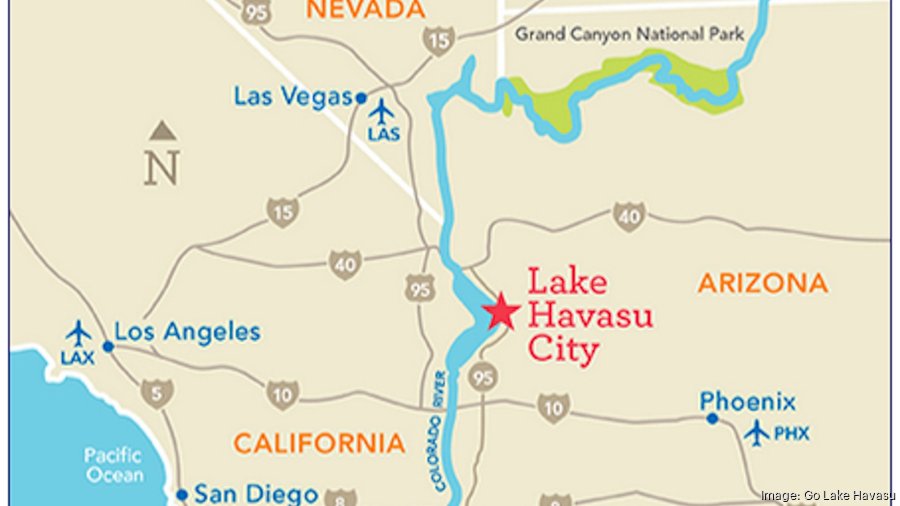
Groundwater in parts of Arizona was being pumped faster than it recharges, which is why the state created Active Management Areas. There are currently eight: Phoenix, Pinal, Prescott, Tucson, Santa Cruz, Douglas, Willcox, and Ranegras Plain (Arizona Department of Water Resources). Inside an AMA, new subdivisions must show a 100-year assured water supply before they can sell lots. Outside an AMA, a home can rely on an exempt domestic well pumping up to 35 gallons per minute, drilled under lighter oversight, and the state’s separate Adequate Water Supply Program only requires that any inadequacy be disclosed to first purchasers; it doesn’t require the supply to be fixed (ADWR).
| Region | AMA status | Implication for well-dependent buyers |
|---|---|---|
| Phoenix metro (Maricopa) | Inside Phoenix AMA | New subdivisions must show 100-year assured supply; private wells face stricter permitting |
| Tucson metro (Pima) | Inside Tucson AMA | Same assured-supply rule; most buyers are on municipal water anyway |
| Flagstaff area (Coconino) | Outside any AMA | Adequate Water Supply Program applies; wells more common, adequacy disclosed but not guaranteed |
| Rural or exurban parcels statewide | Varies; check the ADWR map | Exempt wells (≤35 gpm) may need only lighter permitting; no assured-supply requirement applies |
If a property relies on a well, request the domestic water well addendum and a flow test before you remove your contingencies. This costs a few hundred dollars and answers a question no inspection covers.
Do I need to worry about water rights if I’m buying in Phoenix or Tucson? Less than in a rural county, since most metro-area buyers connect to a municipal system, but confirm the specific address isn’t served by a private well before you assume that; some in-city parcels still are.
Find and vet a local agent

An agent who knows Scottsdale’s price bands may know little about Flagstaff’s wildfire-insurance quirks or elevation-driven construction costs; Arizona is large enough that “local” needs to mean the specific submarket. Ask any agent how many closings they’ve handled in your target zip code in the last year, not just their years licensed.
House hunt and evaluate the home
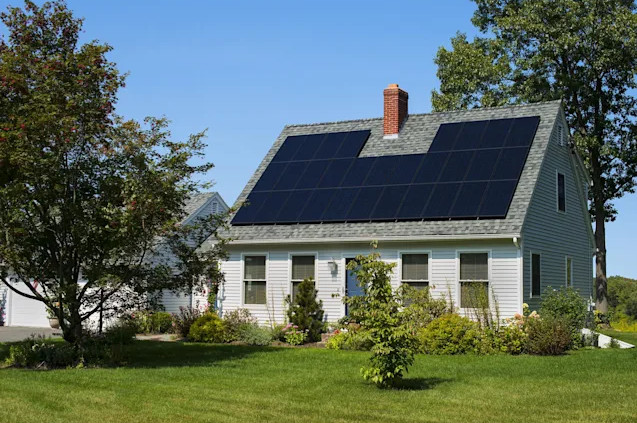
Beyond the standard walkthrough, two issues surface disproportionately often in Arizona resales and rarely make it into a generic checklist.
Solar panels: owned, leased, or financed?
Arizona law requires sellers to disclose a leased solar system and name the leasing company on the state disclosure affidavit (A.R.S. §33-422). Arizona REALTORS® maintains a dedicated Solar Addendum contract form covering three scenarios: outright purchase, lease prepayment, and lease or loan assumption by the buyer (Arizona REALTORS®). If the system is financed through a UCC-1 filing, Freddie Mac’s own seller guide requires the lender to review that filing before closing, and a leased or financed system typically won’t add appraised value; only an outright-owned system can, and even then only modestly (Freddie Mac Guide §5601.4). Ask for the solar contract the day you go under contract; provider transfer approvals commonly take several weeks.
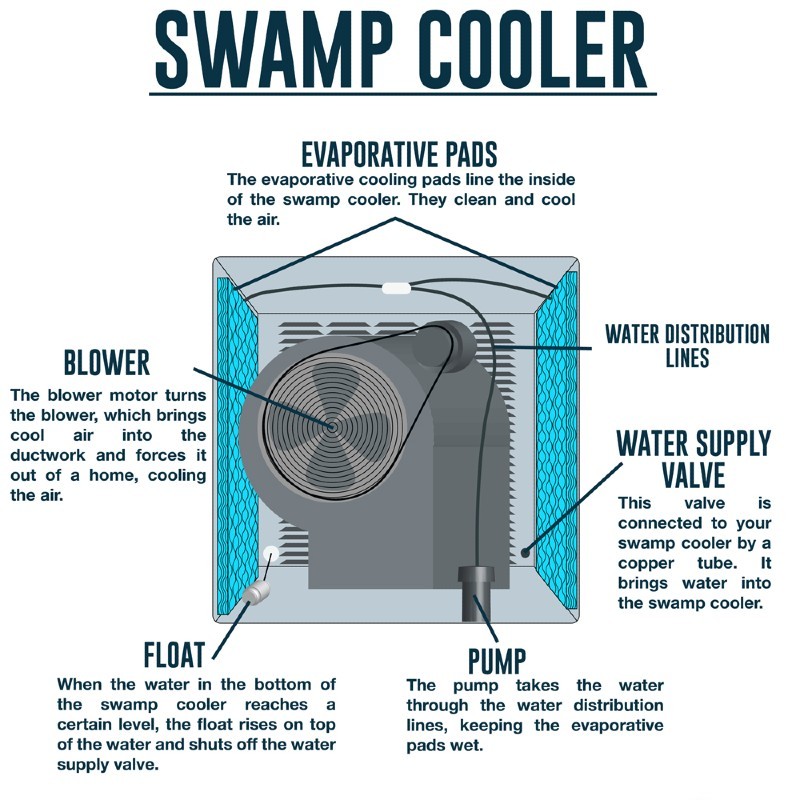
Cooling system: evaporative or refrigerated?
A meaningful share of older and rural Arizona homes still run on evaporative (“swamp”) cooling rather than central refrigerated air. It uses more water, needs seasonal pad and pump maintenance, and cools less effectively on humid monsoon days. Buyers relocating from other climates often don’t think to ask which system a home has until after closing.
Make an offer and negotiate
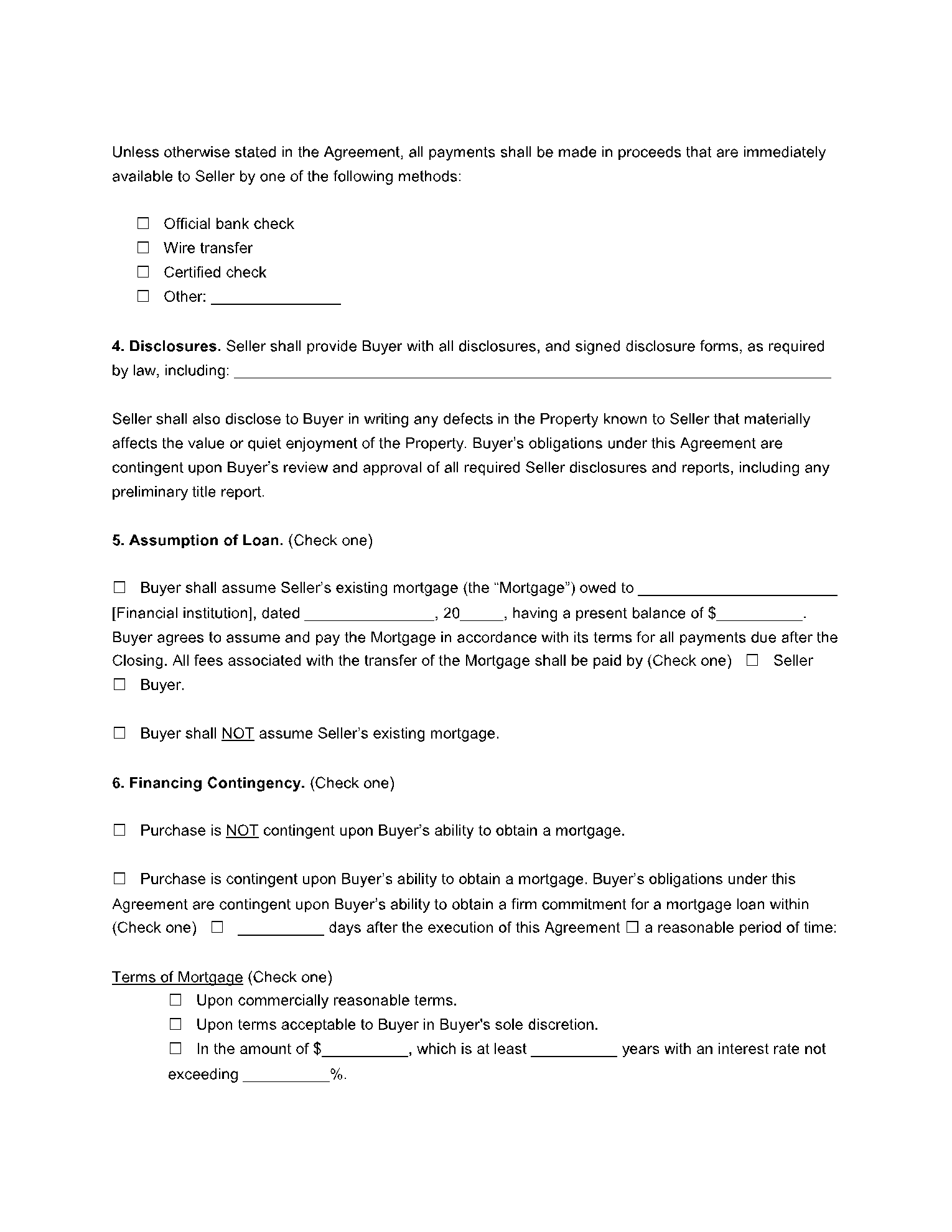
Arizona purchase contracts run on the Arizona Association of REALTORS® standard forms, and earnest money is typically 1% of the price, held in escrow once you open. Sellers this year increasingly cover part of the buyer’s closing costs rather than cut the list price outright. Once your offer is accepted, the inspection and appraisal clocks start immediately.
Inspections and appraisal

Nearly every Arizona buyer gets a general home inspection. Many add a wood-destroying-organism inspection given the state’s subterranean-termite pressure, and older homes sometimes get a four-point inspection (roof, electrical, plumbing, HVAC) at an insurer’s request. A reliable, current, Arizona-specific dataset of inspection add-on costs wasn’t available from a primary source at the time of writing; treat any specific dollar figure you see elsewhere as unverified until you get quotes from licensed Arizona inspectors directly.
Close on your Arizona home
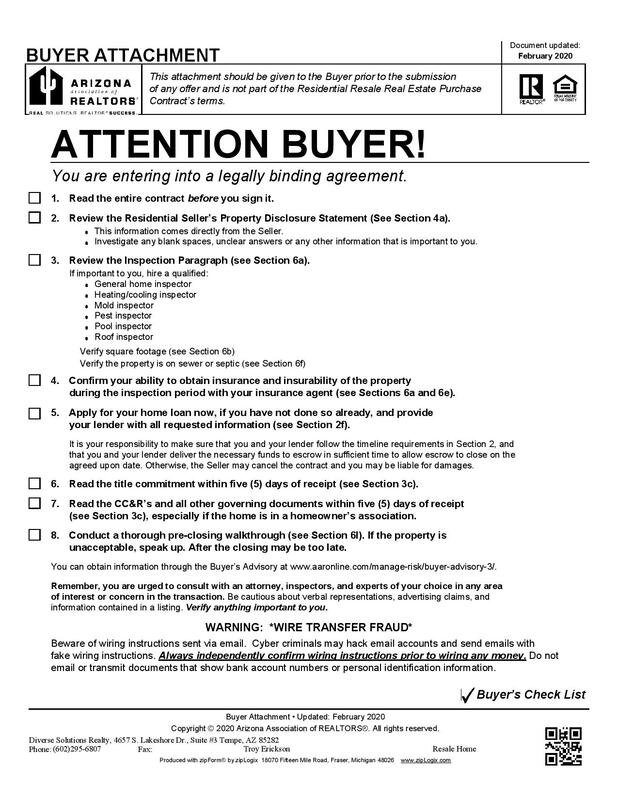
Closing costs and taxes vary more by county than most guides admit.
| County | Recording fee / transfer tax | Approx. effective property tax rate |
|---|---|---|
| Maricopa | $30 flat per document; no ad valorem transfer tax | ~0.40% |
| Pima | Same $30 statewide fee under A.R.S. §11-475 | ~0.65% |
| Coconino | Same $30 statewide fee | ~0.42% |
Effective rates above come from SmartAsset’s modeling and vary by taxing district within a county; confirm the exact rate for a specific address with the county assessor before you budget against it.
Maricopa County’s recorder charges a flat $30 to record a deed, the same fee whether the sale price is $150,000 or $1.5 million.
If your seller is a foreign national, a real possibility given Arizona’s Canadian snowbird seller base, FIRPTA requires the buyer to withhold 15% of the gross sale price at closing and send it to the IRS. That drops to 10% if you’ll occupy the home and the price is $300,001 to $1,000,000, and to 0% at or under $300,000 for an owner-occupant buyer (IRS). Your title company handles the paperwork, but ask early whether it applies.
Do I need a real estate attorney to buy a house in Arizona? Not by law; escrow and title companies handle most Arizona closings without one. Bring an attorney in for FIRPTA transactions, probate sales, or a contested repair dispute.
After closing

Update your mailing address with the county assessor so tax notices reach you. Arizona reassesses property values annually, and homeowners over 65 can apply for the Senior Property Valuation Protection Option, which freezes the assessed value for three years once approved by the county assessor, an application you file, not something applied automatically.
Comments