
Why Athens Rent Figures Range From $1,212 to $1,678
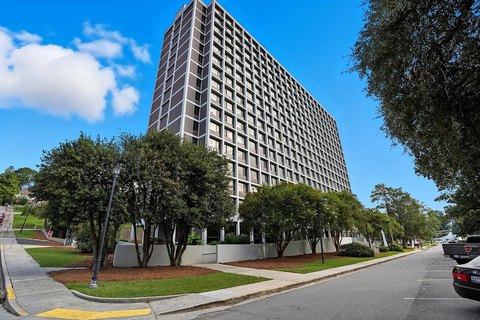
Two trackers, two honest numbers, two different questions. Apartment List’s May 2026 rent report samples its own active listings across the city and reports the median, the middle value when every listing is lined up in order. RentCafe’s market analysis, sourced from Yardi Matrix and Census data, reports a mean average across a broader property set that includes larger, newer, amenity-heavy buildings, which pull the number up. Neither figure is fabricated. Both are doing what they say they do.
A third source, Rentometer, scrapes current live listings rather than modeling a market average, and its one-bedroom range for Athens-Clarke County sits in the $1,400s as of its June 2026 data pull, closer to the RentCafe figure than the Apartment List median.
| Source | Figure | Metric type | Date |
|---|---|---|---|
| Apartment List | $1,212 | Median, self-reported rent tracker | May 2026 |
| RentCafe / Yardi Matrix | $1,678 | Average, market-analysis model | Last updated March 2026 |
| Rentometer | ~$1,400s (1BR) | Median of current live listings | Data as of June 2026 |
The Apartment List number is the one worth budgeting against for a typical, older, off-campus rental. The RentCafe number is the one worth using when comparing to new construction, since it weights the same downtown buildings that dominate the comparison table below. Apartment List’s same report grades Athens a B overall for renter satisfaction, with A+ marks for commute time, taxes, affordability, and public transit, but only a C+ for local schools, a detail worth knowing if you’re relocating with a family into a market otherwise dominated by student housing.
Why do two rent-tracking sites show different average rents for Athens? They measure different things. Apartment List reports a median across its own live listings; RentCafe reports a Yardi Matrix-modeled average across a broader, newer-skewing set of properties. Ask which one a source is reporting before comparing it to a specific listing.
Per-Bed vs. Per-Unit Pricing in Athens Student Housing
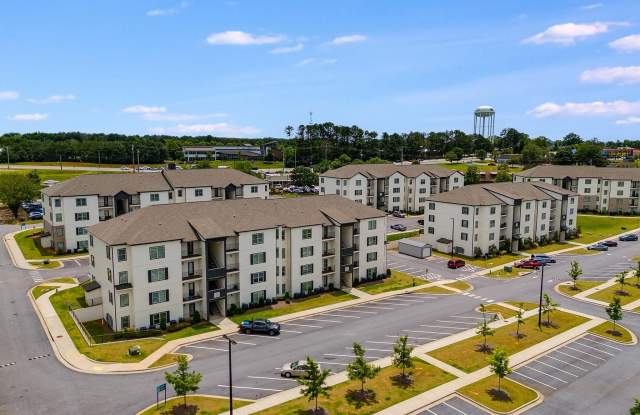
Downtown student complexes near UGA, including Georgia Heights and The Mark, lease “by the bed”: each roommate signs an individual lease at a fixed monthly rate for their bedroom, and the property fills the rest of the unit with unrelated tenants if needed. The number advertised on a floor-plan page is usually the per-person, per-bed rate, not the total rent for the apartment. Older, non-student properties like Cascades on the River lease per unit: one lease, one household, one total rent, split however the tenants agree.
This distinction explains most of the sticker shock renters report when comparing a downtown listing to a Cascades-style listing side by side. A $1,799 unit at The Mark is not automatically four times more expensive than a $1,450 unit at Cascades if the $1,799 figure is a per-bed rate in a shared four-bedroom apartment; it may work out cheaper per person once split. Confirm which pricing model a specific floor plan uses before comparing totals.
What’s the difference between per-bed and per-unit pricing? Per-bed pricing charges each roommate individually for their bedroom, with separate leases; per-unit pricing charges one household for the whole apartment on a single lease. Student-oriented downtown buildings default to per-bed; older, non-student buildings default to per-unit.
Named Complexes Compared
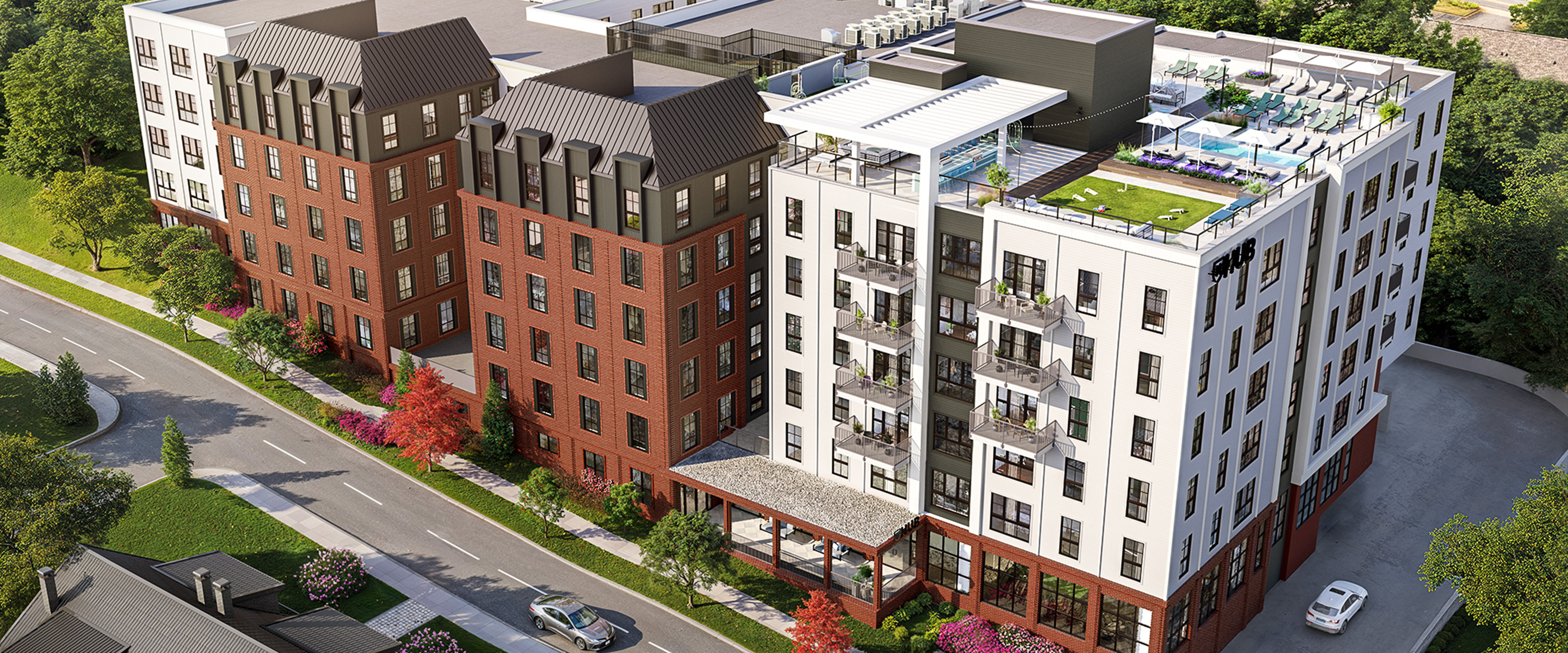
No single marketplace page combines pricing with year built, unit count, and pet policy for the same set of properties. This table does.
| Complex | Area | Year built | Units | Price band | Pet policy | Standout differentiator |
|---|---|---|---|---|---|---|
| Georgia Heights | Downtown, above Broad St | 2015 | 266, 8 stories | From $1,399 (per-bed on shared plans) | Pets allowed | Retail podium built directly into the residential tower |
| The Mark | Downtown, near North Campus | 2017 | 419, 6 stories | From $1,799 (per-bed on shared plans) | Pets allowed | Largest downtown student inventory in this set |
| Cascades on the River | West Side / Beechwood, non-student | 1965 | 73, 11 buildings, 2 to 3 stories | $1,150 to $1,450, per unit | Max 2 pets, $300 one-time plus $25/mo, breed restrictions | Only 1960s-era, low-rise stock in this comparison |
Georgia Heights sits directly above a CVS pharmacy on West Broad Street, with Target one storefront away, a fact confirmed by the building’s developer rather than a rental listing. That kind of ground-floor retail access is unusual for a residential tower this size and worth weighing against buildings that put you a car ride from a pharmacy.
At Cascades on the River, the $1,150 one-bedroom floor plan requires roughly $46,000 in annual income to clear the standard 30%-of-income affordability guideline used on its own Apartments.com listing, a useful number for anyone budgeting against a specific unit rather than a citywide average.
Neighborhoods: Price Tier, Who Each Suits, and the Trade-off
| Neighborhood | 1BR price tier | Who it suits | Honest trade-off |
|---|---|---|---|
| Downtown Athens | ~$2,032 average | Students and renters who want zero commute to campus or nightlife | Highest noise exposure in the city, especially on football weekends |
| West Side / Beechwood | Roughly 9 to 22% below city average | Renters prioritizing price over walkability | Walk Score in the 40s; a car is close to mandatory |
| Rock Springs | ~$997 average | Budget-focused renters comfortable driving to campus | Fewer amenity-heavy new builds; older housing stock |
| Eastside Athens | ~$949 average | Renters who want the lowest average rent in the city | Farthest from downtown and North Campus of the options here |
The gap between Downtown and Eastside runs over $1,000 a month for a comparable one-bedroom, a larger swing than the difference between any two named complexes in the table above.
The UGA Leasing Calendar and When to Start Looking
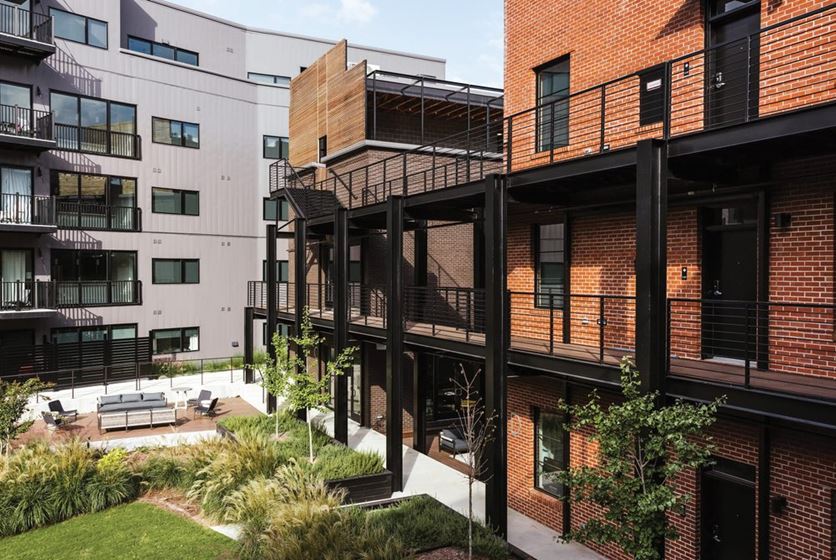
Athens leasing runs on an academic cycle, not a calendar-year one. New downtown developments frequently open leasing as much as 18 months before their delivery date, and the University of Georgia’s Extension office publishes an off-campus living guide advising students to begin securing housing as early as November and to have a signed lease no later than March for a fall move-in. Most leases in the market are year-long with no contractual subleasing built in, so a lease signed for a fall move-in typically runs through the following summer whether or not the tenant is in town.
For non-student renters, this cycle still matters even if you never set foot on campus: the heaviest inventory turnover in student-oriented buildings clusters around July and August move-outs, while non-student stock like Cascades on the River turns over on a more ordinary, month-to-month rhythm throughout the year.
To verify that a specific downtown listing is a legitimate, university-recognized property rather than an unaffiliated sublet board, UGA maintains a vetted listing marketplace at offcampushousing.uga.edu, worth checking before signing with an unfamiliar name.
When should I start looking for an apartment in Athens if I’m not a UGA student? You have more flexibility than students do, since non-student buildings lease year-round rather than on an academic cycle. Still, avoid June and July if you can, since that’s when the heaviest citywide turnover and competition for movers, parking, and leasing-office attention happens.
Pet Policies, Noise, and Flood Risk: What the Listing Pages Skip
Pet policies vary more than a simple “pet-friendly” tag suggests. Cascades on the River caps residents at two pets with a $300 one-time fee plus $25 a month per pet, and applies breed restrictions, details that only surface once you open the property’s own fee schedule, not its headline listing. Confirm the exact fee structure and any weight or breed limit before assuming a “pets allowed” badge means your pet qualifies.
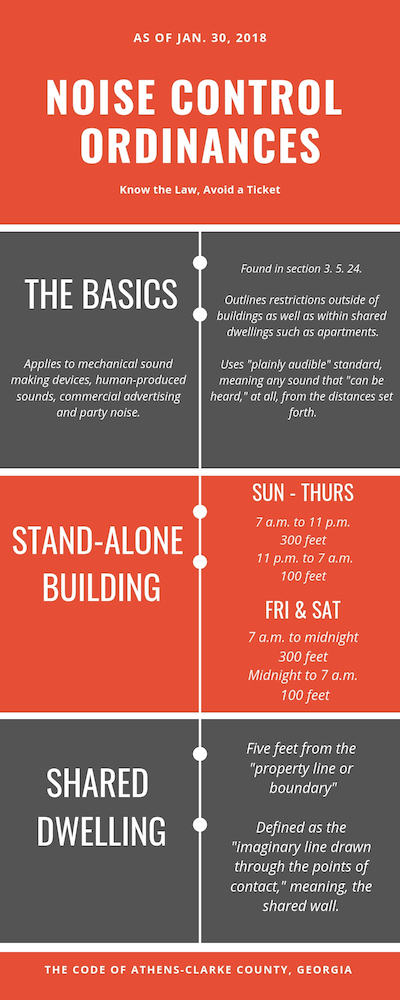
Downtown buildings sit close to Sanford Stadium’s game-day foot traffic and the bar district along Clayton and Washington streets, both of which generate late-night noise on football weekends that a daytime tour won’t reveal. West Side properties near the North Oconee and Middle Oconee rivers sit closer to floodplain-adjacent low ground than most listing copy mentions. Check a property’s FEMA flood zone designation directly.
Is downtown Athens too loud to live in during football season? It depends on your tolerance and your building’s distance from Clayton Street and the stadium. Buildings within a few blocks of downtown’s bar district see reliably loud weekends six to seven times a fall semester; ask a current resident, not just the leasing office, before signing.
For Investors and Property Managers
Athens-Clarke County does not have a freely available, county-specific multifamily transaction dataset comparable to the metro-level reports Yardi Matrix and CoStar publish for Atlanta. The Atlanta-metro figures those firms publish, average per-unit sale prices in the low $190,000s and cap rates near 5.3% as of Q1 2026, describe a market roughly 70 miles away with a different tenant base. Anyone underwriting a specific Athens property should request submarket-level data directly or pull comparable sales from the Athens-Clarke County tax assessor’s office.
Comments