
Where Amagansett Is, and What Governs It
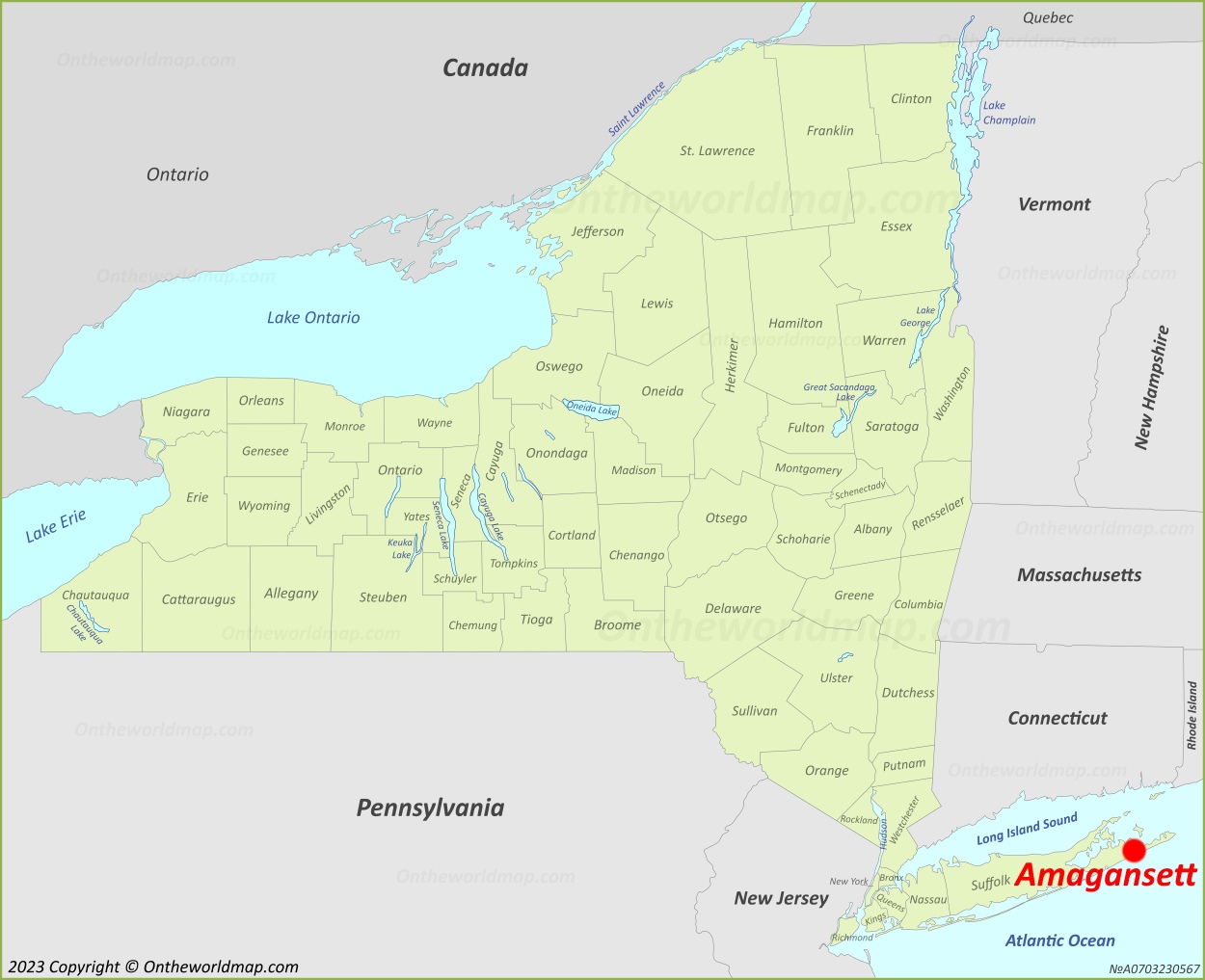
Amagansett sits between the village of East Hampton and the hamlet of Montauk. The distinction that actually shapes the place isn’t charm; it’s paperwork. East Hampton Village next door is an incorporated municipality with its own mayor, planning board, and architectural review process. Amagansett has none of that apparatus. As an unincorporated hamlet within the Town of East Hampton, its building and zoning decisions run through the town’s five-member Town Board and a two-year Town Supervisor. An Amagansett Citizens Advisory Committee exists, but per the town’s own account of its committee structure, it’s advisory only, with no decision-making power.
That doesn’t mean the hamlet is unregulated. A roughly 30-farmhouse stretch of Main Street forms the Amagansett Historic District, reviewed under the Town’s own zoning code rather than a separate village commission. The system still produces odd outcomes: in 2024, the Town Planning Board declined to rule on relocating the historic George Baker House at 261 Main Street, because the house’s setback doesn’t conform to the zoning code for its own central-business-district siting.
Is Napeague part of Amagansett? No. Napeague is the low strip of state parkland between Amagansett and Montauk. The Walking Dunes, often listed as an Amagansett attraction, sit inside Napeague and Hither Hills State Park territory, driven by wind off Napeague and Gardiners Bays, not the Amagansett hamlet boundary.
Getting There
| Mode | Time | Cost | Notes |
|---|---|---|---|
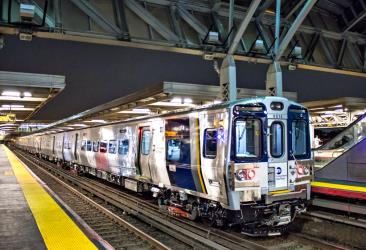
| LIRR, fastest weekday train | 2h 32m (Penn Station 6:27 AM to Amagansett 8:59 AM) | $33.00 one-way peak, pre-purchased | Amagansett is Zone 14; most trains transfer at Jamaica |
| LIRR, monthly pass | – | $487.75 | Zone 14 monthly, per the MTA timetable |
| LIRR, senior/disabled fare | Same schedule | $16.50 one-way | Exactly half the standard peak fare |
| Driving | Traffic-dependent | Tolls only | No fixed time available from a source I could verify; summer Route 27 congestion is the real variable, not the mileage |
Buying onboard rather than at a machine costs up to $8.50 more per the same MTA timetable, which is worth knowing before the conductor comes through.
When to Go
I don’t have a dated, place-specific occupancy or pricing table for Amagansett that I could verify well enough to publish here, so rather than approximate one, here’s what’s actually sourced: both the Hampton Jitney and the LIRR run their fullest schedules between Memorial Day and Labor Day and thin out considerably in the off-season, which is the one seasonal variable with a real citation behind it in this research pass.
Beaches
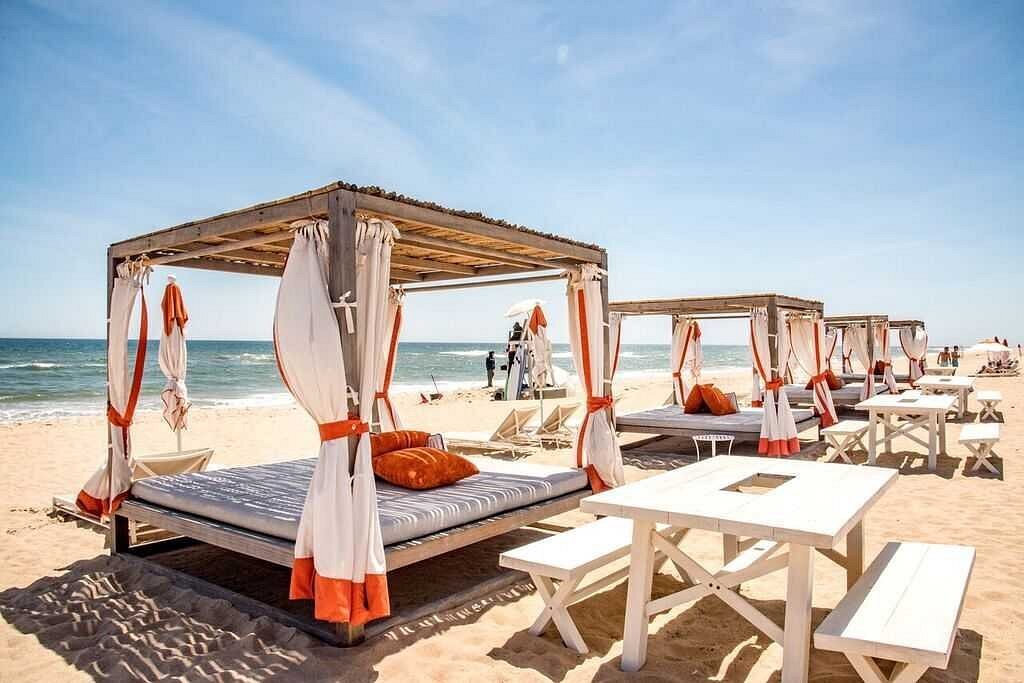
Indian Wells Beach and Atlantic Avenue Beach are the two named ocean beaches inside the hamlet itself. Both face the Atlantic on Long Island’s south shore.
Do I need a car in Amagansett? For anything beyond Main Street and these two beaches, yes. The Jitney and the LIRR both stop here, but off-peak frequency is thin enough that a car is the practical default for reaching Amber Waves, Napeague, or Montauk.
Food and Farm Stands

| Venue | Type | Price tier | Best for |
|---|---|---|---|
| Amber Waves Farm, 367 Main St | Nonprofit teaching farm, market, café | $–$$ | Produce, CSA membership, kids’ programs |
| Amagansett Square | Small shopping and dining cluster | $$–$$$ | Casual meals, shopping |
| Stephen Talkhouse | Music venue with food service | $$ | Live music, late-night |
Amber Waves is worth a closer look for its legal structure, not just its produce: per the farm’s own account of its land agreement, its roughly 25 to 30 acres are held under conservation easements that require 80% of production to stay in food crops and forbid the land from lying fallow, a constraint most farm-stand write-ups skip entirely.
History
The hamlet was settled in 1680 by English families, the Bakers, Conklins, and Barnes, and Dutch brothers Abraham and Jacob Schellinger. Its name comes from a Montaukett word usually translated as “place of good water,” a reference to a freshwater spring near today’s Indian Wells Beach.
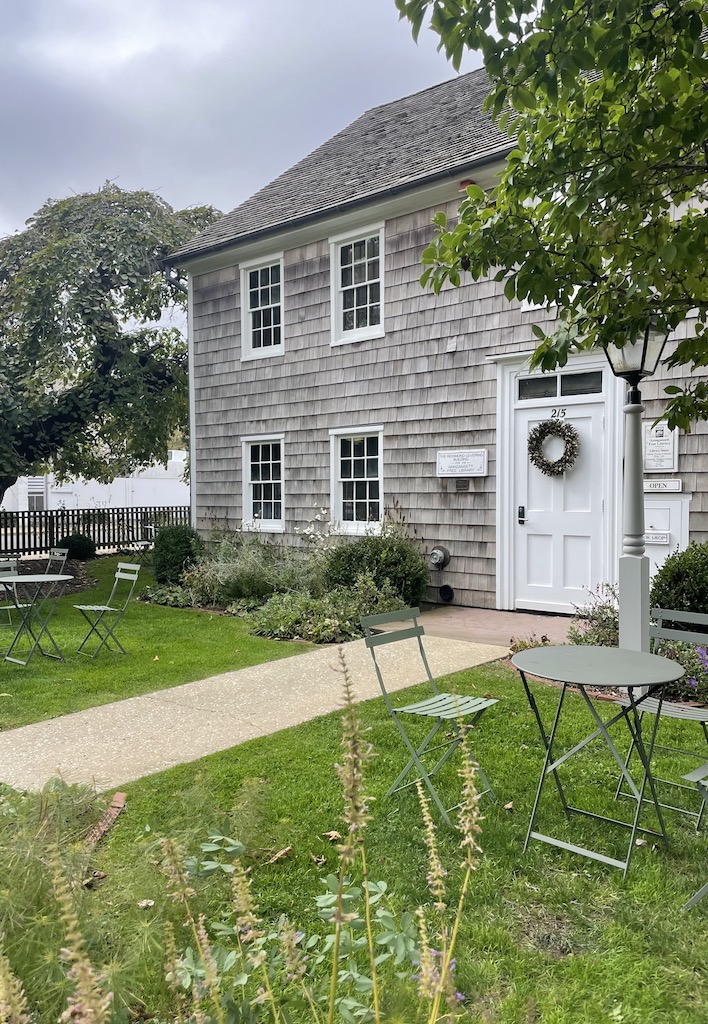
One piece of this history is dated and checkable: the 1725 Miss Amelia Cottage, built for Catherine Schellinger and moved roughly 200 feet to its current Main Street site in 1794. Its last resident, Mary Amelia Schellinger, was born there in 1841 and lived in it until about a year before her 1930 death. In 1964, a planned supermarket and parking lot on the site prompted a group of residents to found the Amagansett Historical Association purely to buy and save the cottage; it’s now a National Register-listed museum.
Living in Amagansett: The Real Estate Snapshot
| Location | Zillow Home Value Index | Notes |
|---|---|---|
| Amagansett | $3,271,713 | Up 5.1% year over year |
| East Hampton (CDP) | $1,768,052 | Same Zillow methodology |
| Montauk | $1,718,378 | Same Zillow methodology |
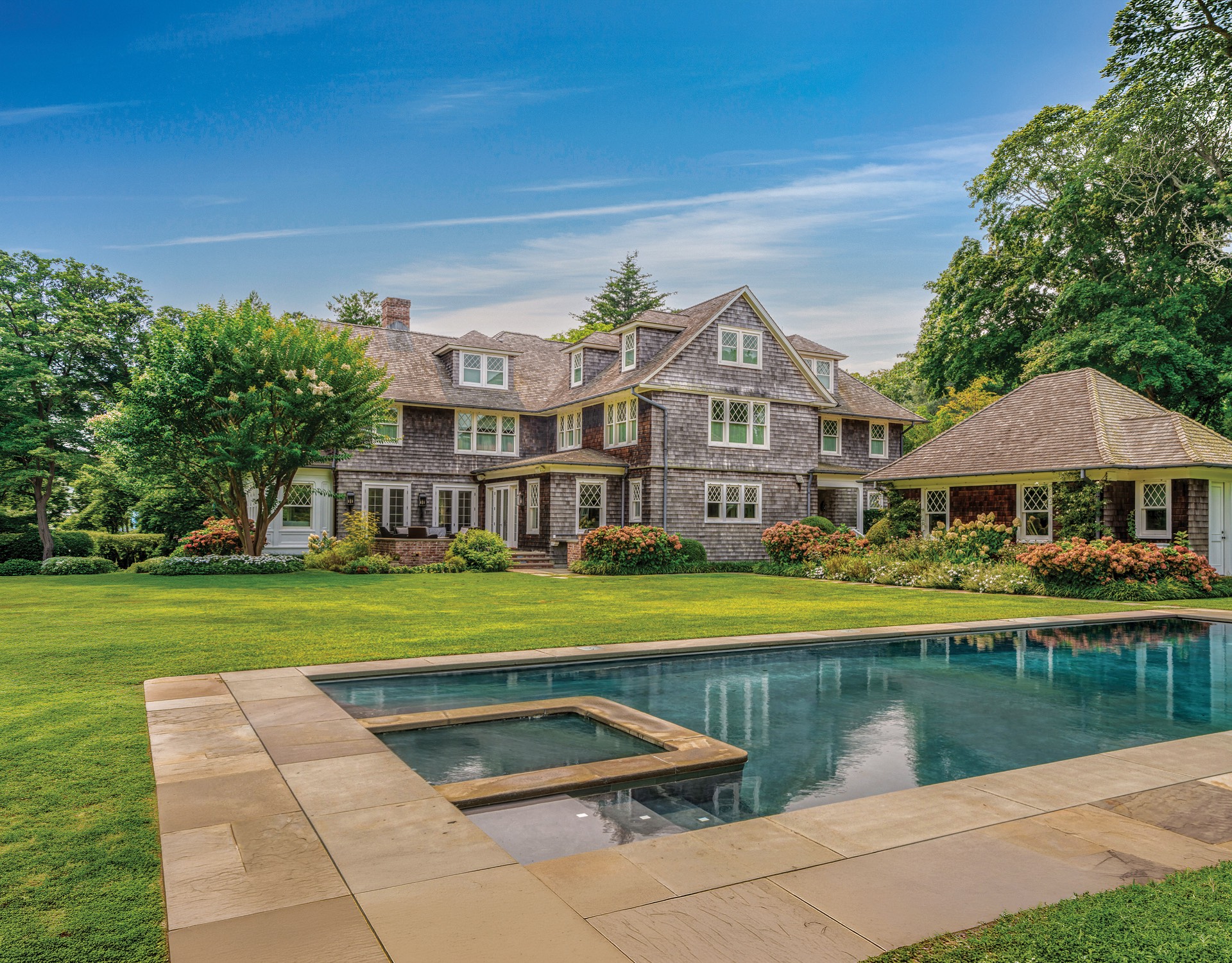
Amagansett’s index runs close to double both neighbors on the same measure. A differently-sourced figure points the same direction: Movoto put Amagansett’s median list price at $2.34 million in May 2026, with homes selling in a median 89 days. Redfin’s one-month sale-price snapshot swung sharply against the prior year, which in a market that sells only a handful of homes some months is a small-sample effect, not a sign the market is falling.
What actually drives Amagansett’s price gap over its neighbors? A relatively small number of Further Lane oceanfront transactions pull the whole hamlet’s average upward; the index blends those with ordinary side-street cottages in the same CDP, which is why the headline number and an entry-level listing can look like they belong to different markets.
Who It’s Not For, and Common Mistakes
- Visitors expecting nightlife density. The commercial core is a few blocks of Main Street; anyone expecting Southampton-scale shopping or dining density will find it thin.
- Anyone assuming beach names are interchangeable. Ditch Plains and the Walking Dunes get folded into Amagansett itineraries constantly; both sit in Montauk or Napeague territory instead.
- Buyers assuming Amagansett’s zoning works like the neighboring village’s. There’s no separate zoning board or mayor to appeal to here; everything routes through the Town of East Hampton.
- Travelers without a car assuming transit alone covers the hamlet. The LIRR and Jitney both stop here, but off-peak frequency is thin enough that a car is the practical default.
Comments