
What a One-Bedroom Costs Right Now, City by City

The national figure hides a wide spread. Government and private trackers agree on the direction even when they land on slightly different exact numbers.
| Market | Typical 1BR rent | Source |
|---|---|---|
| National average | $1,645/mo | Apartments.com, June 2026 |
| National median | $1,526/mo | Zumper, June 2026 |
| HUD Fair Market Rent (national baseline) | $1,393/mo | HUD, FY2025 |
| San Francisco, CA | $4,060/mo | Zumper, June 2026 |
| Oakland, CA | $2,000/mo | Zumper, June 2026 |
| New York City | $4,660/mo | Zumper, June 2026 |
San Francisco and Oakland sit across the same bay, about twenty minutes apart by BART, and the one-bedroom rent in one is roughly double the other: $4,060 against $2,000 as of June 2026. Metro choice within a single region moves the number more than almost any tactic covered further down this page.
The Total Cost Beyond Rent
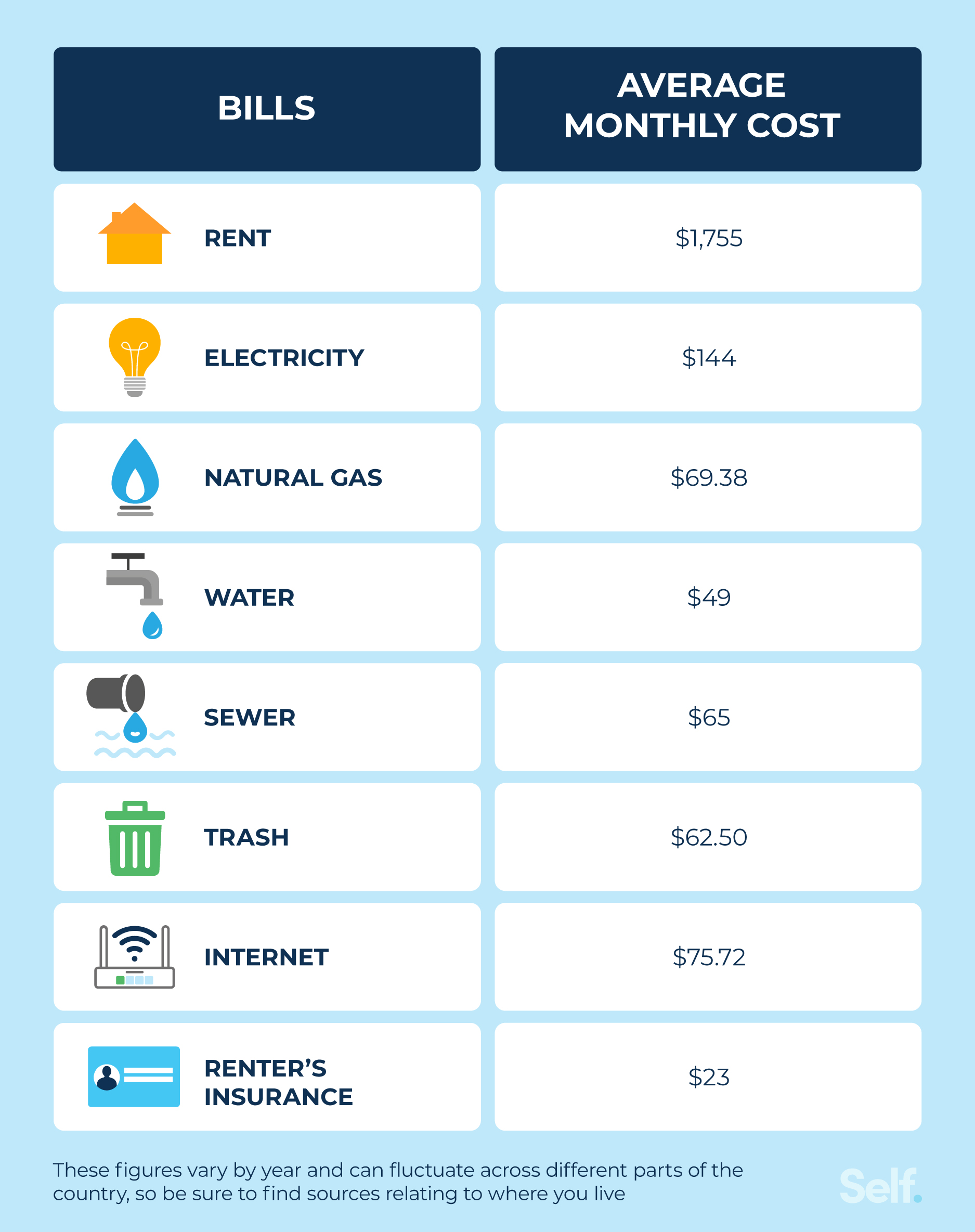
Utilities add a predictable, often-ignored layer on top of the number above. For a 1BR, expect electricity around $103 a month, gas around $20, and water around $20, roughly $144 before internet.
| Cost category | Typical monthly range | Notes |
|---|---|---|
| Electricity | ~$103 | Apartment List, 1BR average |
| Gas | ~$20 | Apartment List, 1BR average |
| Water | ~$20 | Apartment List, 1BR average |
| Internet | $40 to $75 | Varies by speed and provider |
| Combined, with internet | $200 to $290 | Apartment List |
Add that range to the national average and a $1,645 apartment behaves like a $1,845 to $1,935 monthly commitment before groceries or transit enter the picture.
Studio vs. 1-Bedroom vs. 2-Bedroom-With-a-Roommate: The Real Math
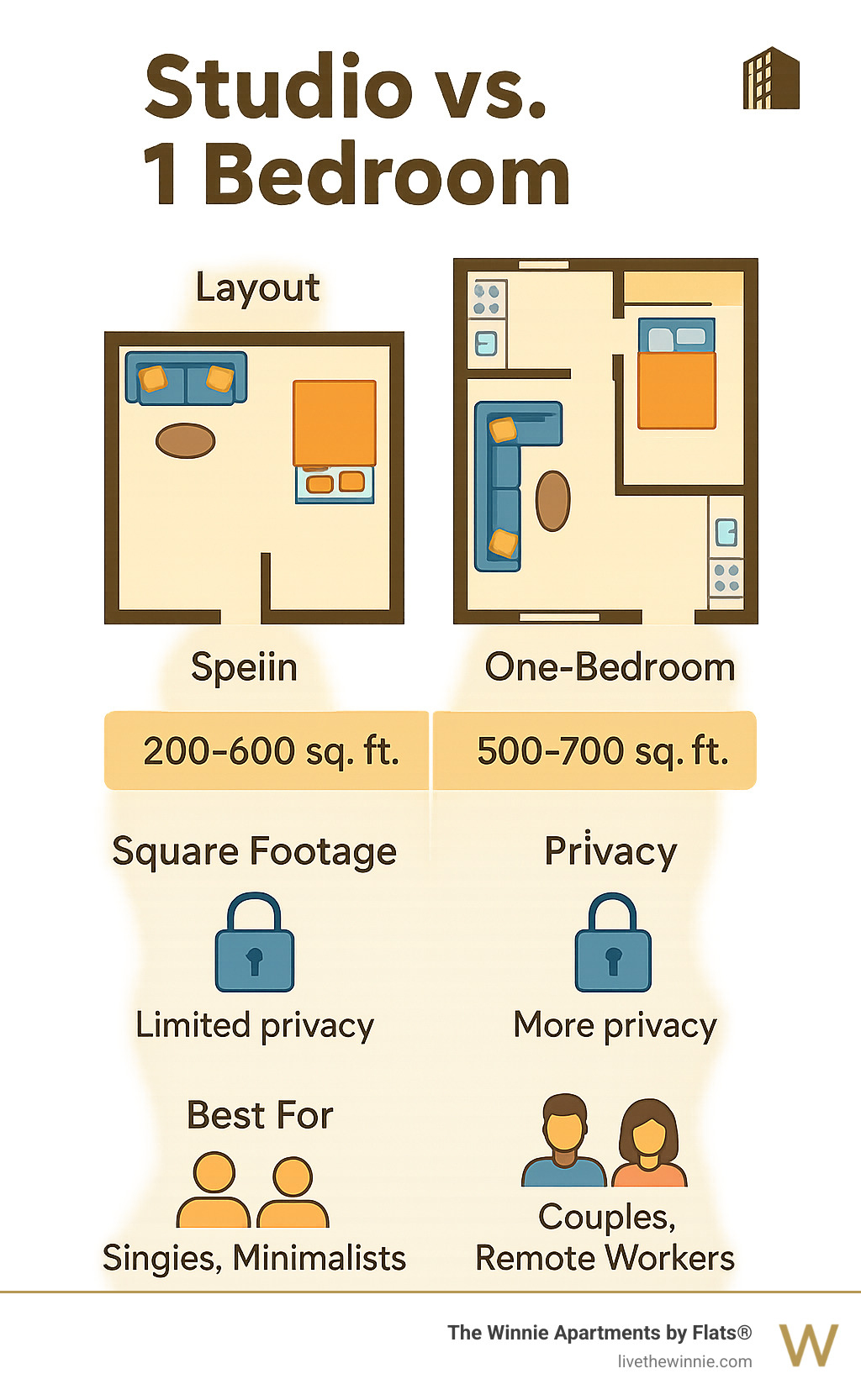
HUD’s Fair Market Rent figures use one methodology across unit sizes, which makes them the cleanest same-source comparison available for this decision.
| Unit type | Nominal rent | Effective cost per person |
|---|---|---|
| Studio/efficiency | $1,286/mo | $1,286 |
| One-bedroom | $1,393/mo | $1,393 |
| Two-bedroom, split two ways | $1,671/mo | $835.50 |
Splitting a two-bedroom cuts the per-person housing cost by close to 40% against a solo one-bedroom and undercuts even a studio, before utilities are factored in a second time on the smaller per-person side.
Is a one-bedroom cheaper than a studio, once roommates enter the math? Not on a per-person basis. A solo 1BR costs more than a solo studio at HUD’s benchmark rents, and a shared 2BR beats both on cost per person, at the price of shared space and a roommate agreement.
Tactics That Move the Price

- Get a roommate. The single biggest lever on cost per person, as the comparison above shows; the tradeoff is shared space and shared risk on the lease.
- Expand the search radius. Suburbs and secondary neighborhoods inside the same metro routinely undercut the center by a meaningful margin, though no national dataset assigns a reliable percentage to this because the gap varies too much by metro.
- Time the lease around the off-season. Fall and winter moves are conventionally cheaper than summer peak-season leases. No credible source quantifies the exact discount for 1BR units specifically, so treat this as directional, not a guaranteed number.
- Consider an older building. Often cheaper per square foot, at the cost of efficiency: older units tend to carry higher utility bills, which can erase part of the rent savings shown in the utilities table above.
- Ask directly about concessions. A month free or a waived application fee functions like a rent cut even when the sticker price doesn’t move.
Where the Standard Advice Doesn’t Work
Supply-constrained coastal metros break the standard playbook: San Francisco’s rent hit a record $4,060 in June 2026 on a construction pipeline that’s nearly empty, so the usual “move to the suburbs” barely helps when Oakland itself is up 6.2% year over year. Cities with strict occupancy limits can also make “get a roommate” illegal for a one-bedroom unit regardless of the budget math.
Income-Restricted and Section 42 Housing
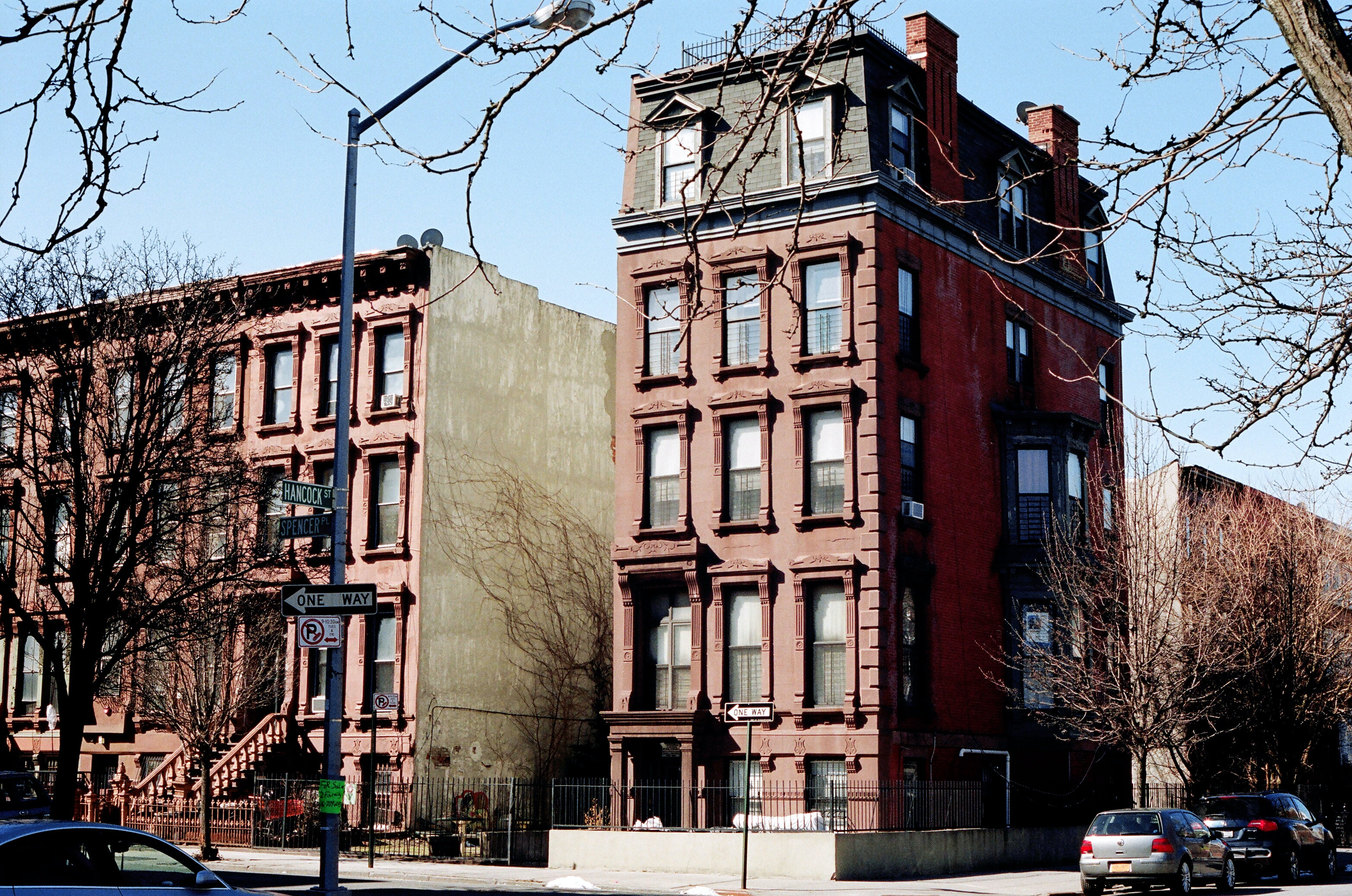
Section 42, formally the Low-Income Housing Tax Credit program, sets aside units in participating buildings for renters below a locally calculated income line. Most properties use one of two tests: at least 20% of units reserved for households at or below 50% of the area’s median income, or at least 40% of units at or below 60%. HUD separately defines Low-Income as at or below 80% of area median income, Very Low as at or below 50%, and Extremely Low as at or below 30%.
Rent on a designated unit is capped at 30% of the income limit assigned to that unit, not at 30% of the tenant’s actual paycheck, which is why two renters with different incomes can pay the same rent in the same building. Applications go directly to the property’s leasing office, not to HUD, and income gets re-verified annually.
What counts as low income for Section 42 housing? It depends on the county. HUD recalculates area median income annually per metro and non-metro county, so the same 50% or 60% threshold produces very different dollar figures in San Francisco versus rural Mississippi.
Lease Traps and Hidden Clauses to Check Before Signing
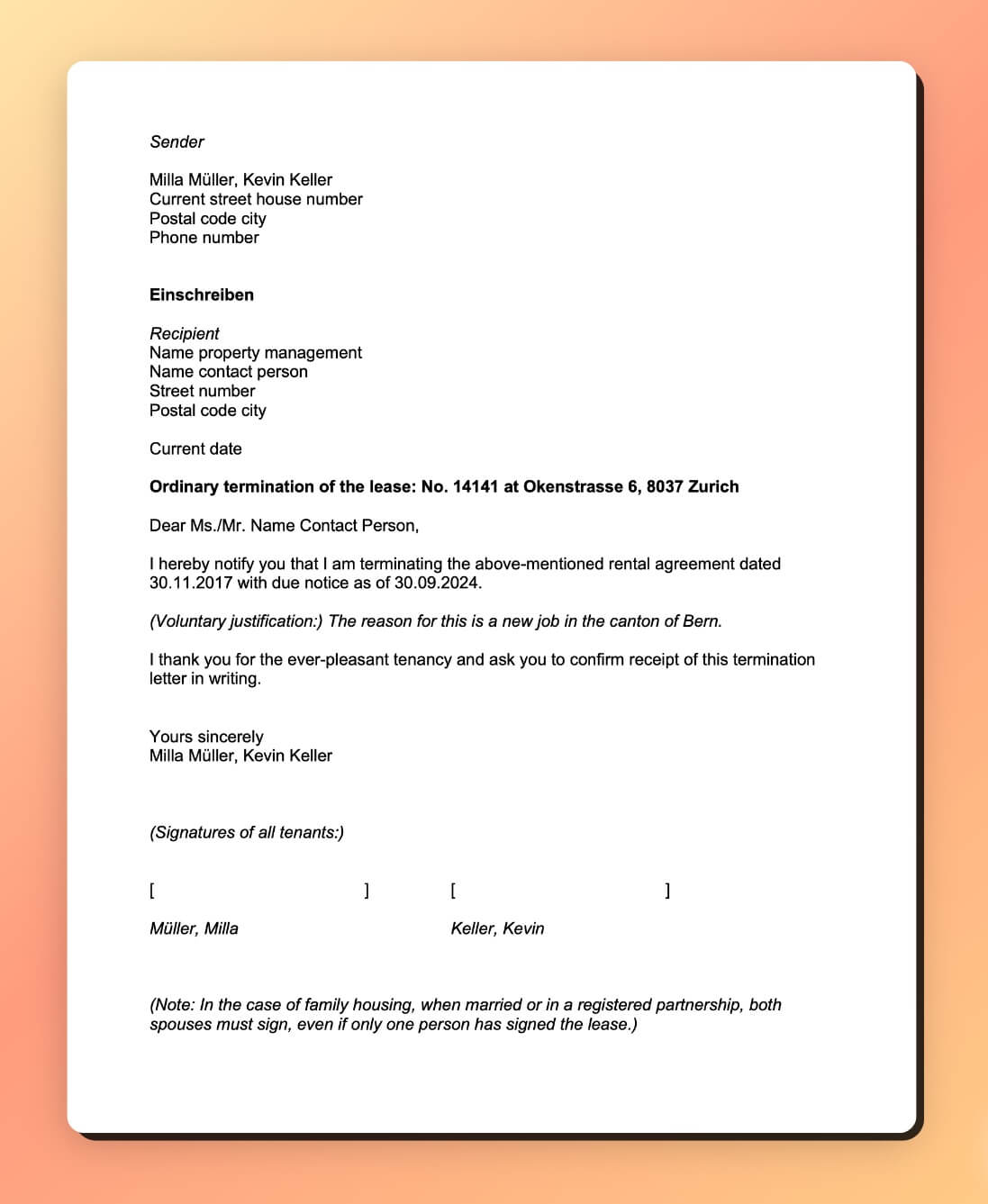
- Automatic renewal terms. A lease that silently rolls into another full year unless you give written notice by a specific date, often 60 or 90 days out.
- Early-termination penalties. Flat fees or “two months’ rent” charges for breaking a lease early, sometimes stacked on top of a lost deposit.
- “As-is” repair language. Clauses that shift responsibility for pre-existing damage or maintenance onto the tenant.
- Utility pass-through (RUBS) clauses. Building-wide utility costs divided among units by formula rather than metered individually, which can push the “beyond rent” number well past the table above.
Fake Listings and Scam Red Flags
Rental fraud isn’t a fringe risk. The FTC tracked close to 65,000 reported rental scams and about $65 million in losses from 2020 through mid-2025, with a median reported loss of $1,000 per victim. About half of those reports trace back to a fake ad on Facebook, another 16% to Craigslist, and renters between 18 and 29 are three times more likely than older adults to report losing money.
- Search the address separately. If the same unit shows up listed for sale, or under a different landlord’s name, that’s a scam signal.
- Never pay before an in-person or verified video tour. Wire transfers, gift cards, and cryptocurrency requests are a hard stop.
- Treat below-market pricing as a flag, not a find. A unit priced well under comparable listings in the same building deserves extra scrutiny before any money moves.
What Each Platform Is Good For
Platforms differ less on inventory and more on how much verification work they’ve already done for you.
| Platform | Strength | Weakness/fee | Best for |
|---|---|---|---|
| Zillow | Large inventory, direct-from-landlord filters | Mixed listing quality outside verified partners | Broad first pass across a metro |
| Apartments.com | Large-building, professionally managed inventory | Weaker on individual landlord units | Larger complexes with amenities |
| Apartment List | Matching quiz narrows results by budget | Smaller independent-landlord inventory | Renters who want fewer, better-matched results |
| Facebook Marketplace / Craigslist | Direct landlord contact, often lowest advertised prices | Source of roughly two-thirds of reported rental scams combined | Sublets and informal listings, with extra verification |
Are “verified listing” badges on rental sites reliable? They lower risk but aren’t proof. Verify the address and landlord identity independently regardless of any badge, since FTC case data shows scammers routinely copy legitimate listings wholesale, badge and all.
Pre-Signing Checklist
- Confirm what’s included. Get the utility split in writing before signing, not verbally from a leasing agent.
- Ask for 12 months of utility bills from the current tenant or building manager if available.
- Photograph existing damage before move-in day to avoid disputes over the security deposit later.
- Read the renewal and termination clauses twice. These are the two most commonly contested sections in lease disputes.
- Verify the listing and the landlord independently before sending any money.
Comments