
The house, the crest, and the myth about the tile
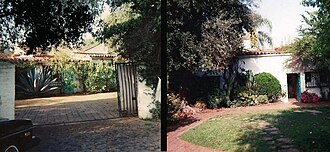
The single-story house was built in 1929 in the Spanish Colonial Revival style, with a red tile roof and a courtyard layout typical of the period. City planning records list the original architect as unknown. The first documented occupants, per the 1930 census, were actor Richard Hunter, his wife Martha, and their adult sons, one of whom, Harbin Hunter, was himself a working architect.
A concrete threshold tile near the front door reads Cursum Perficio, Latin for something close to “I complete my journey.” For decades, coverage of the house read this as Monroe foreshadowing her own death six months after she moved in. The city’s 2024 landmark application settles the question with a document: the phrase and the crest around it belong to the Hunter family’s Scottish coat of arms, installed in 1929, three decades before Monroe ever saw the property.
What Monroe paid, and what the house has sold for since
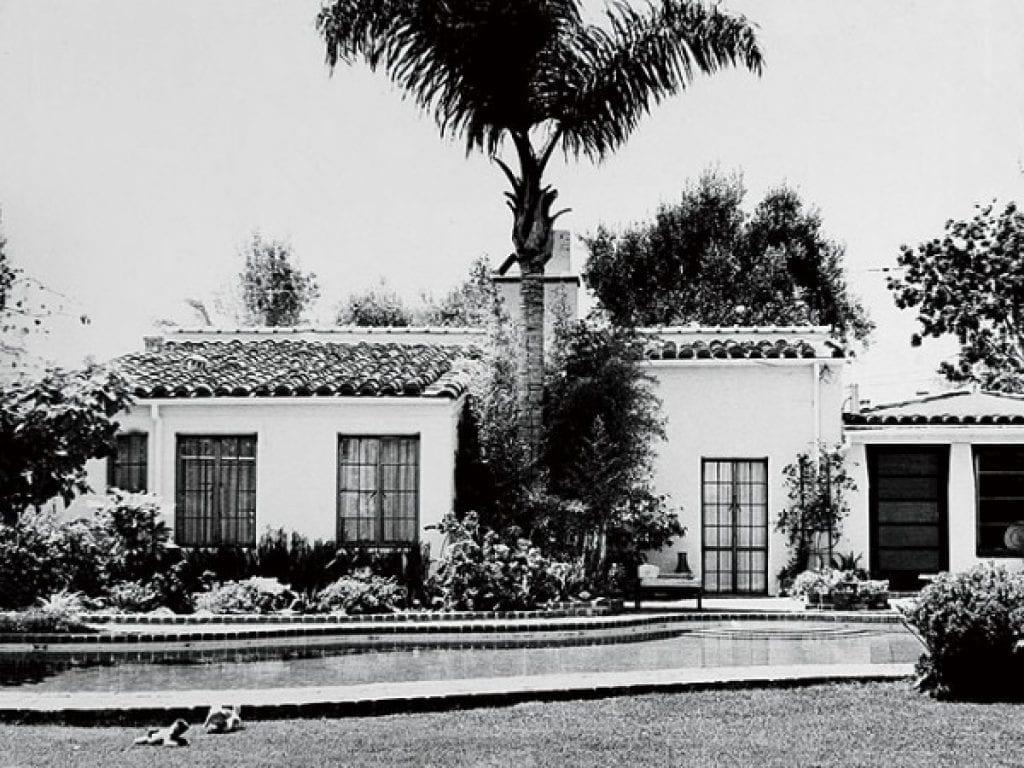
Monroe paid $77,500 for the house in February 1962, financing roughly half with a mortgage, according to Architectural Digest’s account of the purchase.
| Owner/entity | Year | Price | Notable event |
|---|---|---|---|
| Hunter family | 1929 | — | Original construction; first recorded occupants |
| Marilyn Monroe | Feb. 1962 | $77,500 | Only home she ever bought in her own name |
| Undisclosed private buyer | 2012 | $5.1 million | Sold after decades of low-profile private ownership |
| Dan Lukas and Anne Jarmain | 2017 | $7.25 million | Closed $350,000 over the $6.9 million asking price |
| Brinah Milstein and Roy Bank (Glory of the Snow 1031 Trust) | 2023 | $8.35 million | Bought intending demolition; permit issued, then revoked days later |
Inflation alone explains only part of that climb. Architectural Digest’s own 2023 estimate values Monroe’s original payment at roughly $765,000 in today’s dollars, a fraction of the $8.35 million Milstein and Bank paid sixty-one years later for a house on the same lot, with considerably less freedom to change it.
Mercer Vine agent Lisa Optican listed the house in April 2017 for $6.9 million; it closed six weeks later for $350,000 more.
The night of August 4 to 5, 1962
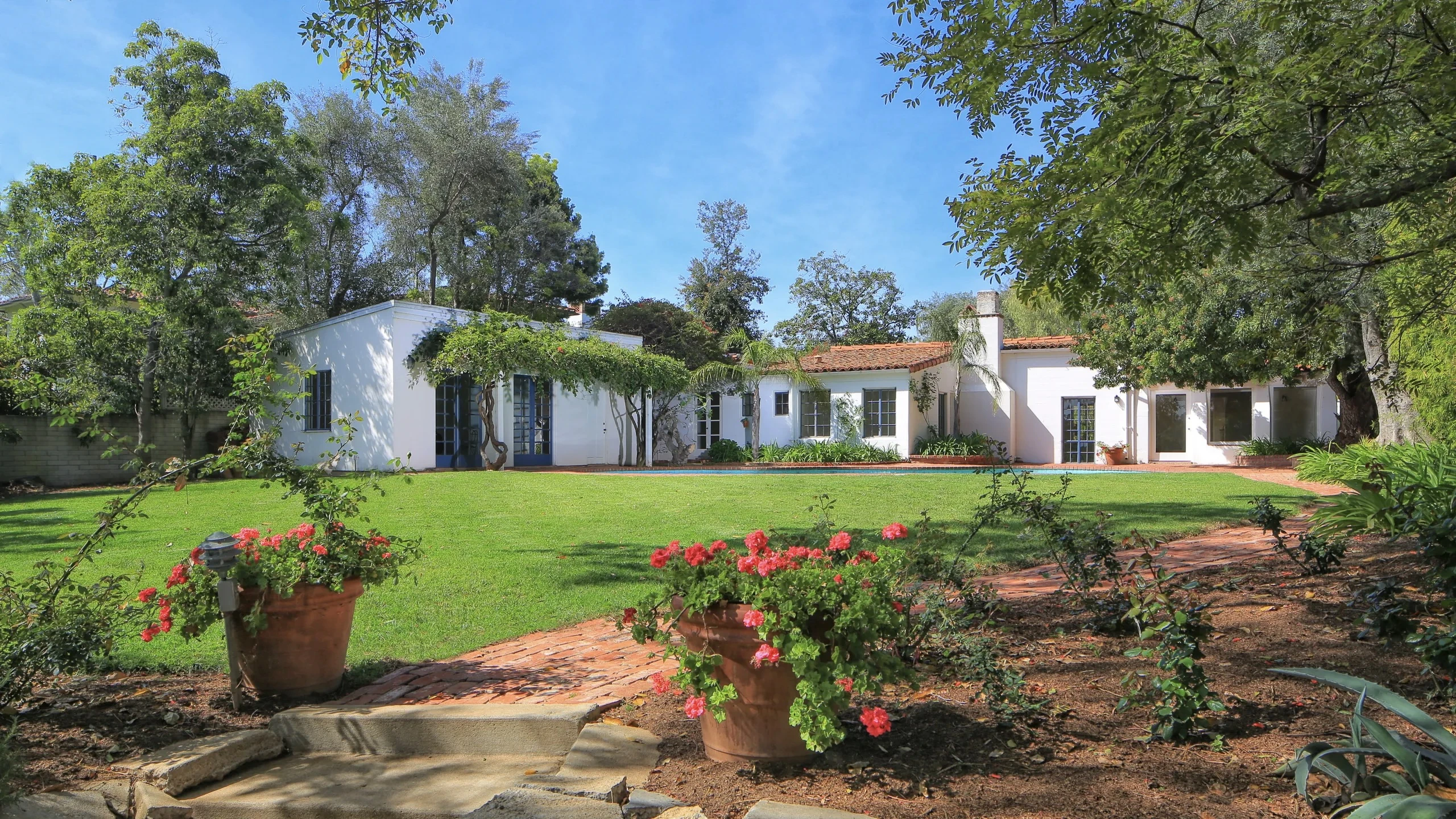
Housekeeper Eunice Murray noticed a light under Monroe’s bedroom door after midnight and couldn’t wake her. She called Monroe’s psychiatrist, Dr. Ralph Greenson, who broke a window to get into the locked room and found Monroe dead. Los Angeles County deputy coroner Thomas Noguchi’s autopsy found a lethal concentration of barbiturates and ruled the death a probable suicide; the pill bottle at her bedside was empty, and the prescription inside it had been filled the day before.
Was Marilyn Monroe murdered? The Los Angeles County District Attorney’s office reviewed the case in 1982 at DA John Van de Kamp’s direction, after decades of murder claims. Assistant DA Ronald Carroll’s roughly four-month inquiry produced a 29-page report finding no credible evidence supporting a murder theory; it did not disturb Noguchi’s suicide finding, while noting some unresolved factual discrepancies in the original record.
From permit to protection: 2023-2024
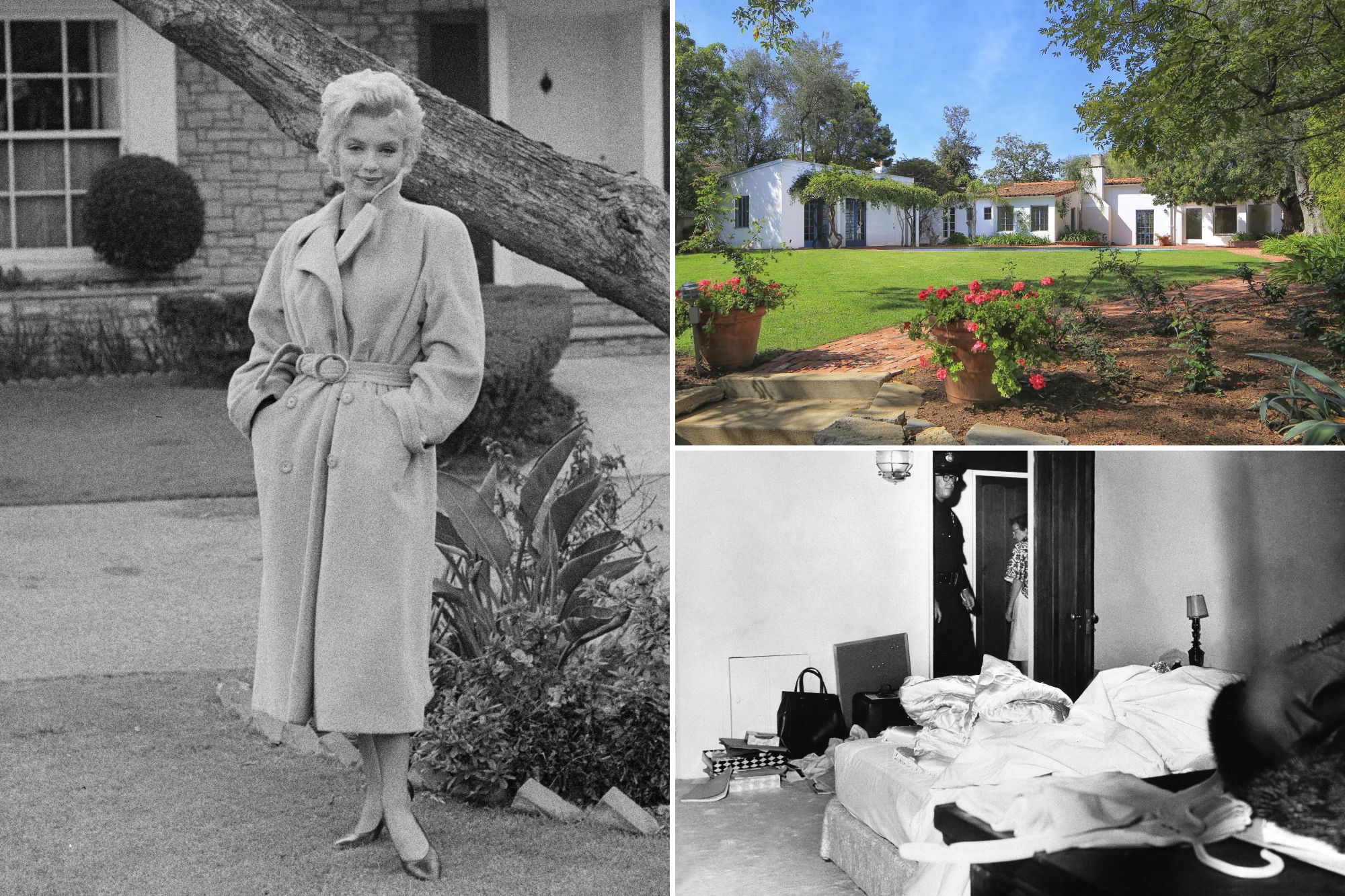
A demolition permit approved on September 7, 2023 was put on hold the next day by a city council motion, which led to the Historic-Cultural Monument designation eighteen months later; the full sequence and every date are in the table below.
Two years of litigation: state court, then federal court
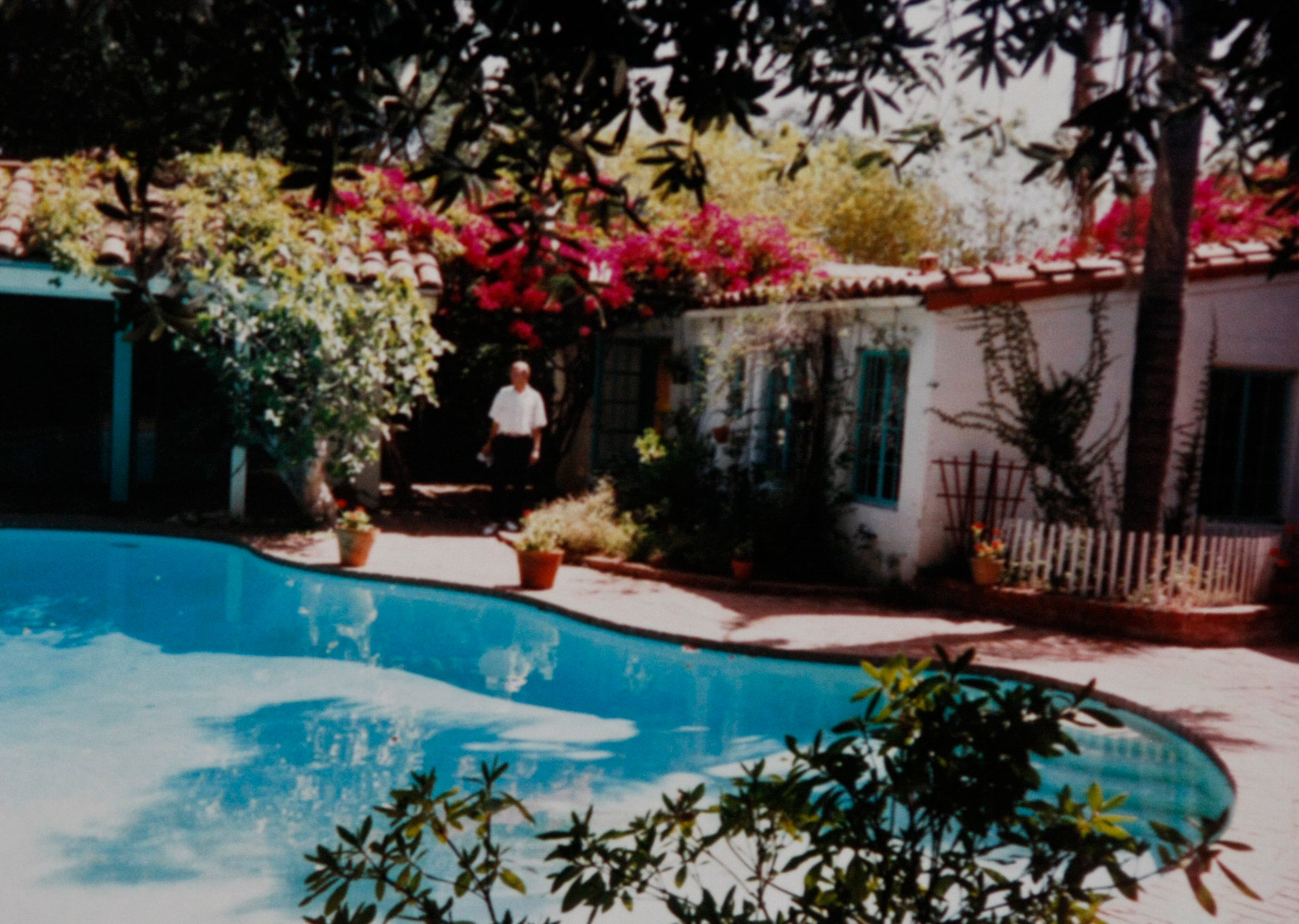
Milstein and Bank have lost every round of this fight so far, though it isn’t over.
| Date | Forum | Action | Outcome |
|---|---|---|---|
| Sept. 7-8, 2023 | LA building dept. / City Council | Permit issued, then challenged by council motion | Permit put on hold |
| June 26, 2024 | LA City Council | Unanimous designation vote | Demolition permit formally revoked |
| 2024-2025 | Milstein and Bank, LA Superior Court | Petition challenging the designation | Denied by Judge James C. Chalfant; judgment entered Sept. 22, 2025 |
| Jan. 23, 2026 | Milstein and Bank, U.S. District Court | Fifth Amendment takings complaint filed | Case 2:26-cv-00747, C.D. Cal. |
| April 16, 2026 | Pacific Legal Foundation, for plaintiffs | Opposed the city’s motion to dismiss | — |
| May 6, 2026 | Judge Percy Anderson, C.D. Cal. | Ruling on motion to dismiss | Both takings claims dismissed, with leave to amend |
See the Courthouse News order and reporting, the Pacific Legal Foundation case page, and The Center Square’s report on the amended-complaint plan.

Anderson’s order turned on specifics, not sympathy for either side. He found no city action that authorized or invited the public onto the property itself, which sank the physical-taking claim, and he found that fourteen owners renovating the house across sixty years without objection from the city didn’t establish the kind of investment-backed expectation a regulatory-taking claim needs. Pacific Legal Foundation says it plans to file an amended complaint rather than drop the case.
Can Milstein and Bank still demolish the house? Not under the ruling as it stands. The monument designation remains in effect, the state challenge to it failed in 2025, and the federal takings claims were dismissed in May 2026. Their attorneys have said they’ll file an amended complaint, so the litigation continues, but as of this writing the house cannot legally be torn down.
What the designation means for a buyer, seller, or agent
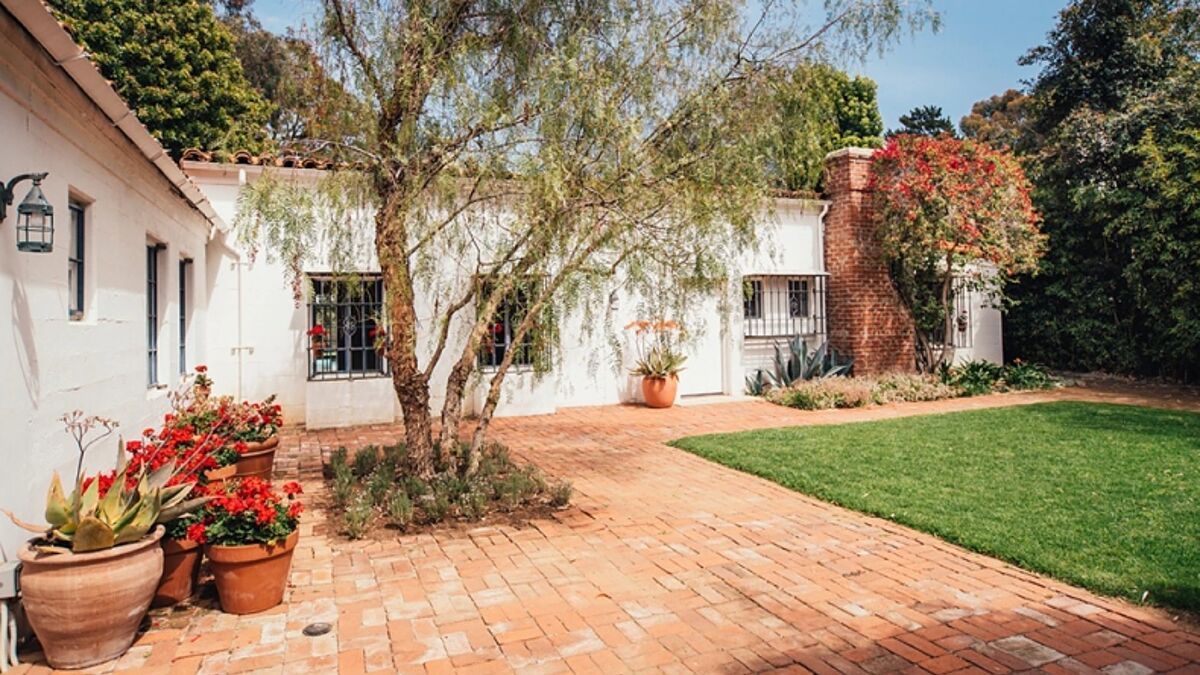
A Historic-Cultural Monument designation in Los Angeles means demolition, and often significant exterior work, needs sign-off from the city’s historic-preservation process before a permit issues, the same process Milstein and Bank are now suing over.
- Demolition: blocked while the designation stands. The federal complaint itself describes any future attempt facing Cultural Heritage Commission referral, CEQA review, and possible third-party challenge.
- Economic use: the court’s May 2026 order found the designation didn’t eliminate all economic use of the property, since the owners can still occupy, rent, or sell the house as it exists.
- Disclosure: Monroe’s death is now 64 years in the past, well outside the three-year window in which California’s Civil Code Section 1710.2 requires a seller to volunteer that a death occurred on a property. The statute creates no liability for staying silent about an old death. It does not protect a seller who lies: if a buyer asks directly, the law requires an honest answer regardless of how long ago the death occurred. The one carve-out concerns a prior occupant’s HIV or AIDS status, which sellers and agents are barred from disclosing even if asked.
Does California law require sellers to disclose a death on a property? Only within three years of the buyer’s offer, under Civil Code Section 1710.2. Monroe’s death falls outside that window by six decades, so a seller has no legal duty to raise it unsolicited. Lying about it if a buyer asks directly is not protected.
Visiting the property today
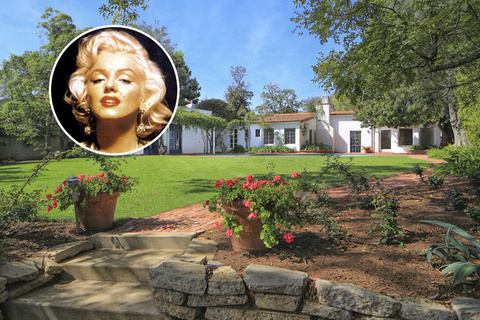
The house has been privately owned and unoccupied since 2019, sitting behind a gate at the end of a residential cul-de-sac with no public access. City records tied to the 2024 designation vote noted resident complaints about tour buses and trespassers, prompting a separate council motion to study bus restrictions on the street. Anyone visiting the block should treat it as what it is: someone’s private, litigated property.
Comments