
What 100 Van Ness Actually Is
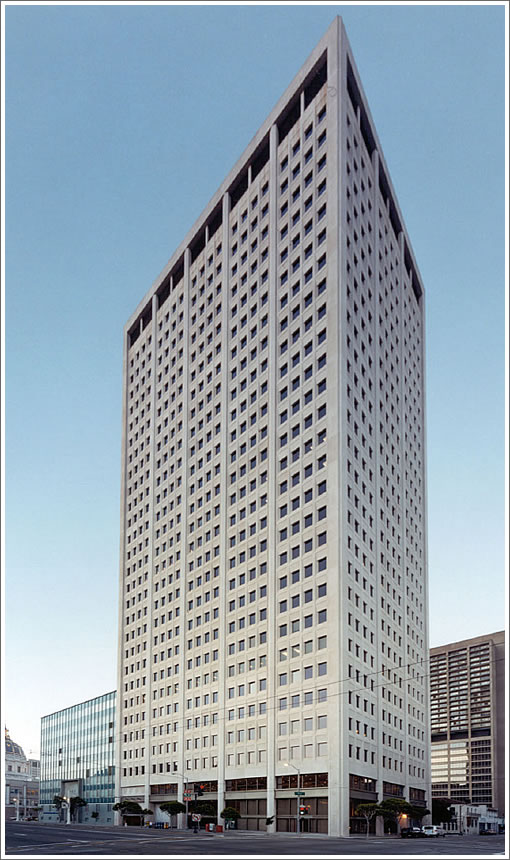
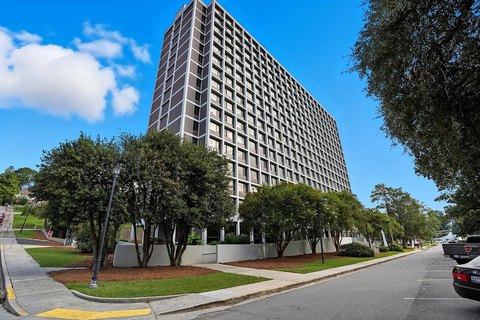
100 Van Ness opened in 1974 as the headquarters of the California State Automobile Association, filling 29 floors of a Market Street office tower, according to the project’s own architecture firm. By the early 2010s CSAA’s presence had wound down, and National Real Estate Advisors, the firm behind the eventual redevelopment, describes the building at that point as a tired, largely vacant 1970s office block. Emerald Fund converted it into 418 rental apartments, working with San Francisco architecture firm Solomon Cordwell Buenz, which also replaced the tower’s original precast-concrete skin with floor-to-ceiling glass.
That recladding is the project’s most concrete detail, and the one no marketing page mentions with real numbers: crews removed more than 1,600 individual concrete panels, each weighing 7,000 to 14,000 pounds, core-drilling access holes and lowering them by tower crane onto trucks on one of the city’s busiest streets, over roughly six months with no reported injuries, per the developer’s project interview.
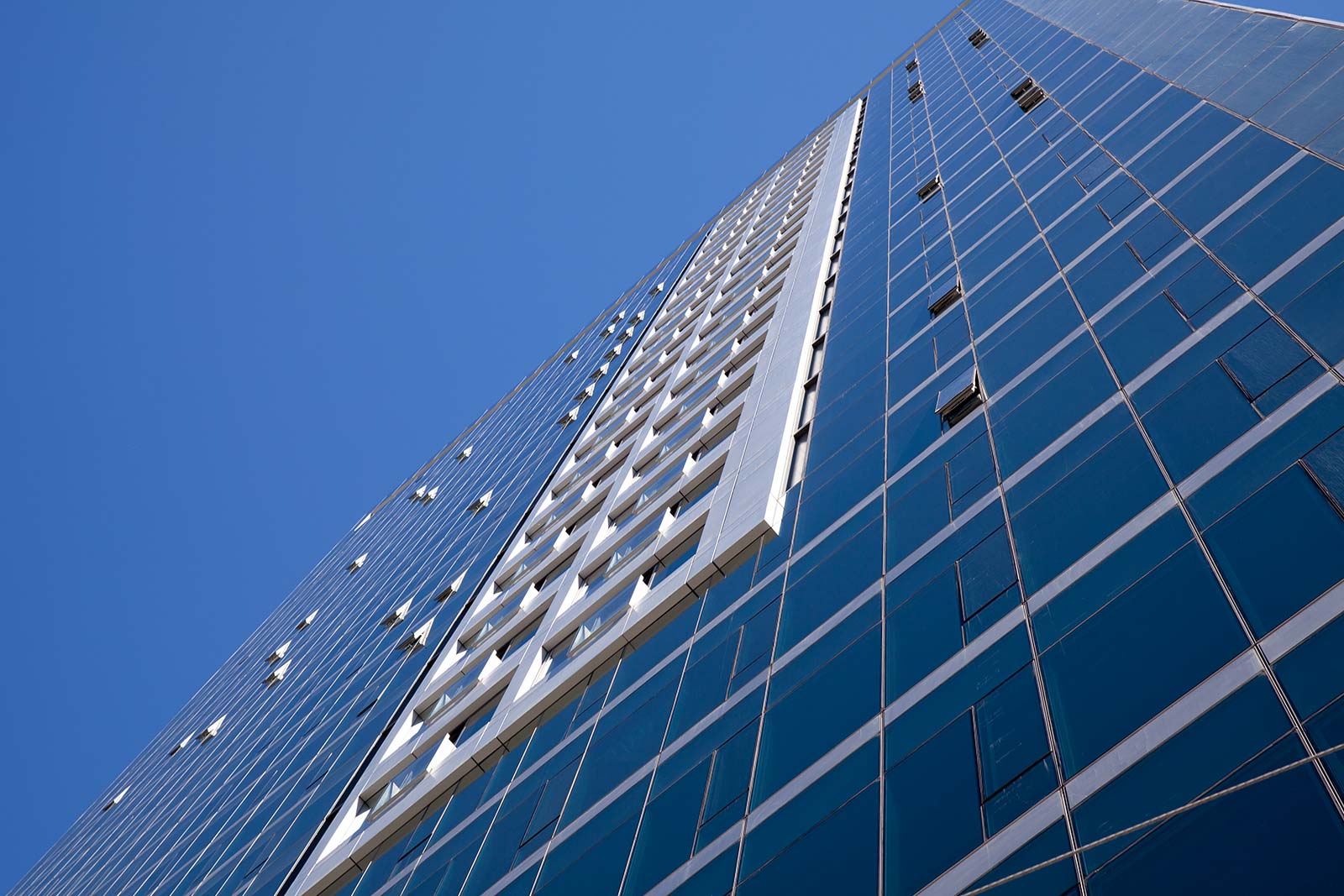
The conversion carries GreenPoint Rated certification under the existing-building multifamily program, confirmed independently by both the general contractor and the structural engineer on the project. Some listing pages describe the building as LEED Silver; that certification does not appear in either primary account.
Was this really an office building? Yes. It opened in 1974 as the California State Automobile Association’s headquarters and operated as office space for close to four decades before Emerald Fund converted it into residential units.
Why Rents Are Climbing Right Now
San Francisco rents are rising faster right now than in any other large U.S. metro area. Zumper’s July 2026 report puts the citywide median at $4,060 for one-bedrooms and $5,700 for two-bedrooms, up 21.9% and 22.6% year over year. Both Zumper and a separate San Francisco Standard analysis tie the surge to AI-driven hiring, a return-to-office push pulling higher earners back downtown, and a construction pipeline that has nearly stopped.
Pricing and Unit Types
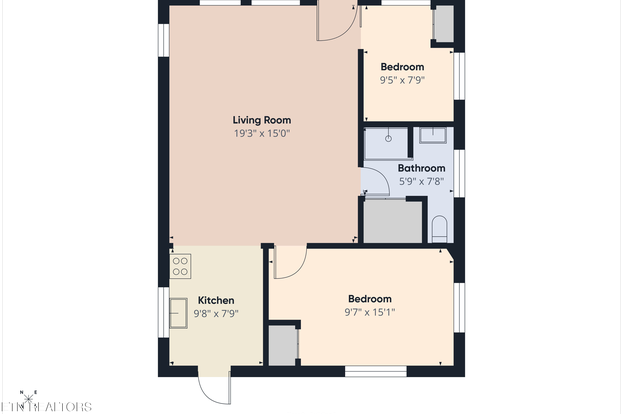
Three tiers are currently listed at 100 Van Ness, and the price gap between them tracks square footage more closely than it tracks any amenity difference.
| Unit type | Size | Current asking range | Confirmed floorplan detail |
|---|---|---|---|
| Studio | 439-463 sq ft | $3,762-$3,840 | Duboce / Lafayette plans |
| One-bedroom | 628-646 sq ft | $4,647-$5,171 | Twin Peaks plan, $800 deposit |
| Two-bedroom | 1,016-1,126 sq ft | $7,945-$9,138 | Dolores plan, top of current range |
Per-square-foot pricing stays in a fairly tight $7.50 to $8.50 band across all three tiers, so the jump from studio to one-bedroom is mostly extra square footage rather than a different pricing tier, and the same holds moving into two-bedrooms.
Costs and Requirements

Application, pet, and parking fees are scattered across several pages elsewhere; here they sit in one place, and the qualifying-income line is the one worth reading twice.
| Fee or requirement | Amount | Condition |
|---|---|---|
| Pet deposit | $500 per pet, max 2 | Cats and dogs; breed restrictions apply (Akita, Doberman, Rottweiler, and others) |
| Pet rent | $75/month per pet | Same policy |
| Parking | $375-$400/month | Assigned or gated garage |
| Qualifying income (property standard) | ≥2.5x monthly rent, gross household | Stated leasing threshold |
| Budgeting benchmark (30%-of-income rule) | ≈40x monthly rent, annualized | Generic affordability calculator, not a leasing requirement |
For the cheapest one-bedroom currently listed, the property’s stated qualifying bar works out to roughly $141,480 a year in gross household income. The 30%-of-income rule most calculators default to would put the same unit at about $188,640 a year, a $47,000 difference depending on which number you plan around.
How much income do I need to qualify? Working from the cheapest current one-bedroom at $4,716/month: the property’s own leasing standard needs about $141,480 a year (2.5 times the monthly rent), while a generic 30%-of-income budgeting rule needs about $188,640, a difference of roughly $47,000.
Neighborhood and Getting Around

100 Van Ness sits at Market Street and Van Ness Avenue in the Civic Center neighborhood, directly above the Van Ness Muni Metro station and a block from the Tenderloin’s northern edge. City Hall, the main library, and the War Memorial complex are a five-minute walk east.
Is the Civic Center/Tenderloin border safe to live in? It varies by block and by time of day. Daytime foot traffic from City Hall and transit riders thins out sharply after the evening commute, which is when neighborhood safety trackers built on SFPD data rate the adjoining Tenderloin among the lowest-scoring areas in the city.
How This Compares to San Francisco Rents
100 Van Ness sits well above the citywide median at every bedroom count, and the size of that gap depends on which rent index you trust.
| Bedroom type | 100 Van Ness range | Citywide, Zumper (Jul 2026) | Citywide, RentCafe (Jul 2026) |
|---|---|---|---|
| Studio | $3,762-$3,840 | $2,650 | $2,777 |
| One-bedroom | $4,647-$5,171 | $4,060 | $3,764 |
| Two-bedroom | $7,945-$9,138 | $5,700 | $4,930 |
Why do citywide rent averages disagree by hundreds of dollars? Different providers sample different slices of the market. Zumper’s figures skew toward newer, larger buildings; RentCafe’s blend includes more of the older rental stock, which pulls its averages lower.
Who It Suits and Who It Doesn’t
- Good fit if you want direct access to a Muni Metro station serving five light-rail lines and can budget for San Francisco’s steepest citywide rents.
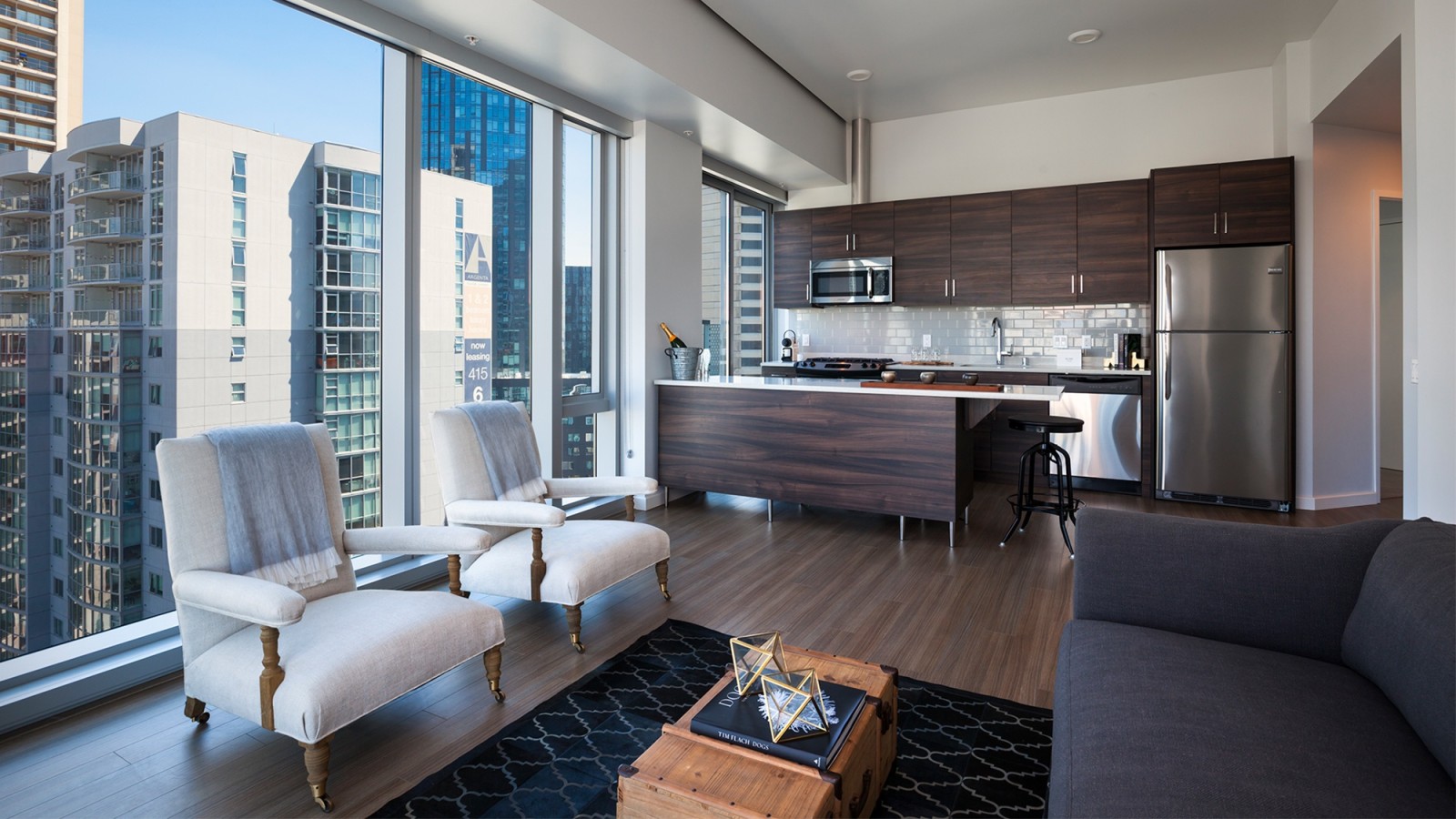
- Bad fit if a window in every bedroom is non-negotiable. Some converted office bays keep sleeping rooms interior, lit through sliding glass panels rather than an exterior wall, according to KQED’s reporting on the conversion.
- Bad fit if you need fast elevator service at peak commute hours. Only four of the original eight office elevators remain in the residential conversion, now serving 418 units.
- Good fit if luxury-tier pricing fits your budget already; the architect interviewed about the project says only higher-end rents make an office-to-residential conversion like this one pencil out financially.
Pricing, availability, and fees above are point-in-time snapshots from the sources linked; verify current numbers directly with the property before signing anything.
Comments