
Why 1-Bedroom Houses Are Thin on the Ground
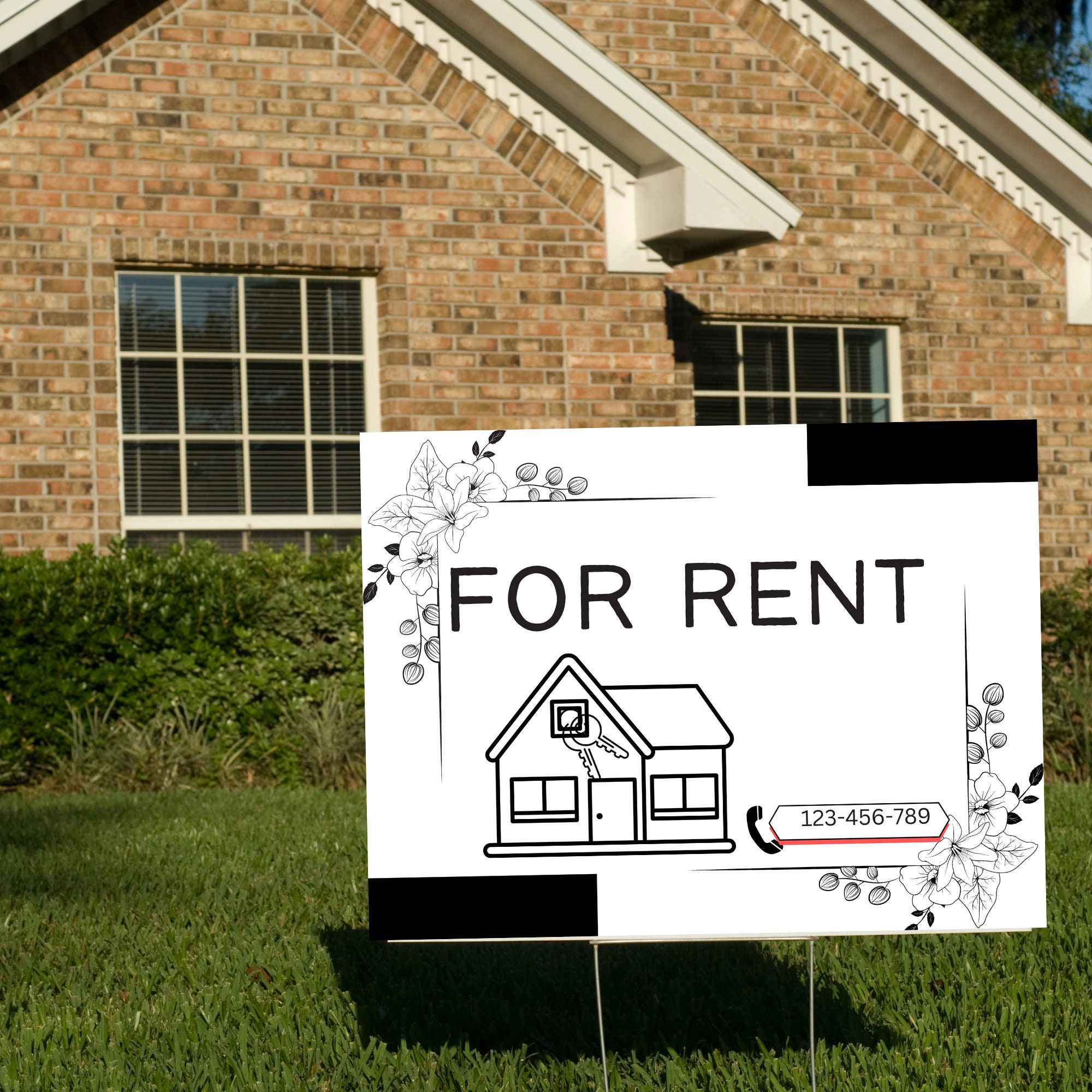
Landlords build and hold single-family rentals for family-sized households: the average single-family rental household has 2.9 people, against 1.9 for apartment households, according to NMHC’s analysis of American Community Survey data, which is a large part of why three-bedroom homes dominate the single-family rental stock. Rentometer’s 2025 report confirms this directly, calling the three-bedroom single-family home the most common single-family rental configuration in the country.
Single-family vacancy also reached 6.3% in early 2025, the highest level in nearly a decade, before easing slightly to 6.1% by the third quarter.
What You Take On That an Apartment Renter Doesn’t
| Task | Typical in a rented house | Typical in an apartment |
|---|---|---|
| Lawn mowing and yard upkeep | Defaults to the landlord unless the lease assigns it to the tenant | Handled by on-site or contracted landscaping |
| HVAC filter changes | Commonly the tenant’s job even though the landlord owns the system | Often handled by building maintenance |
| Pest control | Frequently the tenant’s expense unless the lease states otherwise | Frequently covered under the property’s standing contract |
| Snow and ice removal on walkways | Commonly assigned to the tenant with exclusive use of the space | Handled by the property |
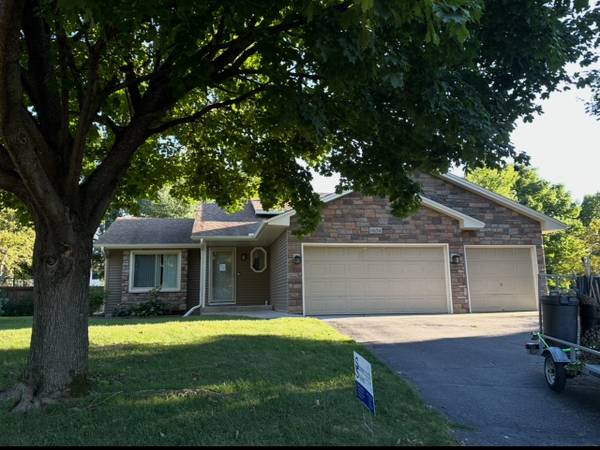
None of these tasks are automatic. Every one depends on what the specific lease says, and a lease silent on lawn care leaves the landlord holding the obligation by default, per property-management guidance from RentPost and Bay Property Management Group’s HVAC breakdown.
Who pays for lawn care when you rent a house? By default, the landlord, since it’s a property-owner obligation in most jurisdictions unless the lease specifically transfers it to the tenant. Ask before signing; a lease that’s silent on the point still leaves the landlord responsible.
How the Cost Compares
| Segment | Typical monthly rent | Source and date |
|---|---|---|
| All single-family rentals, national | $2,174 | Zillow, Dec 2024 |
| All apartments, national | $1,812 | Zillow, Dec 2024 |
| Three-bedroom single-family, national median | $2,100 | Rentometer, 2025 |
| Salt Lake City, UT single-family rental | $2,426 | Zillow, Dec 2024 |
| Salt Lake City, UT apartment | $1,530 | Zillow, Dec 2024 |
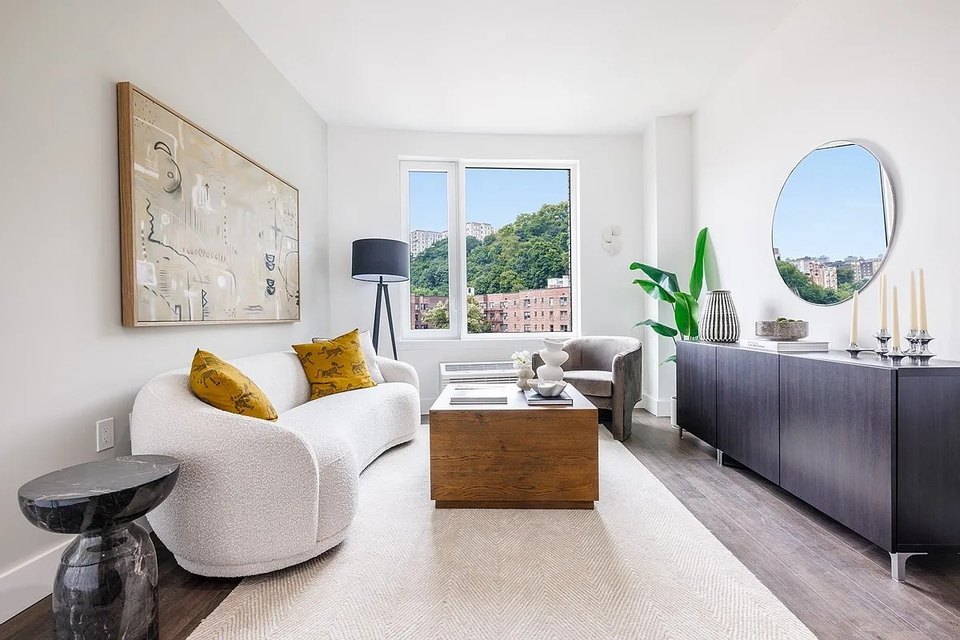
Salt Lake City posted the widest metro-level gap Zillow recorded that month: single-family rentals there ran 59% above apartments. The national 20% figure averages across all bedroom sizes; a 1-bedroom house specifically may sit closer to or farther from that number depending on local supply, and no index isolates it separately.
Is a 1-bedroom house more expensive than a 1-bedroom apartment? No dedicated national figure exists for that specific comparison. The broader single-family premium over apartments ran about 20% nationally in December 2024, and it varies sharply by metro, from a modest gap in some markets to 59% in Salt Lake City.
Who You’re Renting From
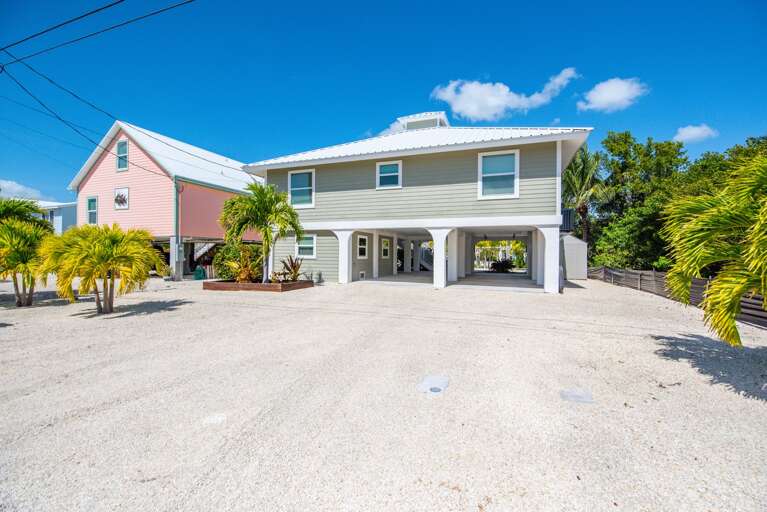
Micro landlords, owners of one or two units, hold about two-thirds of all small rental properties nationally, according to a Harvard Joint Center for Housing Studies tabulation of Zillow ownership data. That matters because screening and paperwork with an individual owner tend to be less standardized than with a property-management company operating under a fixed system.
What to Expect in the Application
State rules vary; Virginia is used here as a representative example. Virginia caps a nonrefundable application fee at $50 plus a landlord’s actual out-of-pocket screening costs, and caps a security deposit at two months’ rent, per Virginia Code §55.1-1203 and §55.1-1226. Virginia landlords have not owed interest on deposits since 2014, according to the Legal Aid Works 2025-2026 Guide to Virginia Landlord-Tenant Law. Check your own state’s housing agency for its equivalent caps before applying.
Do I need renters insurance for a rented house? Not by state law in most places, but a landlord can require it as a lease condition. Where that applies, Virginia law caps the combined total of security deposit, damage insurance, and renter’s insurance premiums a landlord can collect upfront at two months’ rent.
Red Flags That Mean Walk Away

| Signal | Why it matters | What to do instead |
|---|---|---|
| Rent priced well below comparable nearby listings | Scammers use below-market pricing deliberately to draw applicants, per the FTC’s rental scam guidance | Compare against several nearby listings before contacting the poster |
| Payment requested only by wire transfer, gift card, or cryptocurrency | These are functionally unrecoverable once sent | Insist on a bank-traceable payment method, never wire transfers, gift cards, or cryptocurrency |
| Listing found on Facebook or Craigslist with pressure to decide immediately | About half of reported scams in the year ending June 2025 started on Facebook, another 16% on Craigslist, per the FTC’s December 2025 Data Spotlight | Search the property address separately to check for duplicate listings under different names |
| Request for a Social Security number or credit-score screenshots before a tour | Legitimate landlords typically run their own credit checks rather than requesting screenshots | Decline until the listing is verified and you’ve toured in person |
Renters aged 18 to 29 report losing money to rental scams at roughly three times the rate of other adults, which tracks with heavy scam activity in the Facebook groups students use to search for off-campus housing.
How do I know if a house-rental listing is a scam? Cross-check the address against other postings for mismatched prices or contact names, refuse any payment that isn’t bank-traceable, and treat urgency pressure as a reason to slow down.
A Realistic Search Strategy

Widen your search radius before narrowing your price. Check individual real-estate brokerage sites and for-rent-by-owner boards alongside the major portals, since a genuinely thin inventory segment turns over listings faster than aggregators can index them.
Comments